urine is a sterile blood serum concentrate. On the urine the body gets rid of various metabolic end products. A healthy adult produces between 1 to 1.5 liters of urine per day.
What is urine
Of the urine is an excretion product that is permanently formed in the paired kidneys in a complicated resorption and filtration process. Of the urine arises from the filter function of the kidneys. Through the bloodstream, blood continuously flows through the renal artery into the kidneys, where it is freed from toxins, waste products and metabolic end products.
From up to 150 liters of the so-called primary urine daily, about 1.5 liters of terminal urine are formed through diuresis and filtration, which is then excreted via the bladder over the course of 24 hours. The urine is passed from the kidneys via the ureters directly into the urinary bladder. The bladder functions as a urine collecting basin and is equipped with a particularly protective mucous membrane.
The receptors on the inner wall of the bladder only report that urination is necessary once the bladder has been filled to a certain level. This physiological process of emptying the urinary bladder via the urethra and the external bladder sphincter is also known as micturition. In addition to the metabolic end products that the body excretes in the urine, urine mainly contains water as body fluid that is no longer required.
Anatomy & structure
Human urine is a complex mixture of different organic and inorganic substances. In its composition, the urine always reflects the current physical condition. Because every pathological process in the organism also has a direct impact on the urine composition.
The main constituent of urine is water. The metabolic end products urea, uric acid and creatinine are mainly found in aqueous solution. One also speaks of the so-called urinary substances. Urea is the end product of protein metabolism, uric acid is the end product of cell nuclear metabolism and creatinine is the end product of muscle metabolism. Urine also contains vitamins, organic acids, hormones, proteins and dyes, so-called urochromes, which give the terminal urine its characteristic amber appearance. The urine is prepared in 3 steps according to the anatomical structure of the kidney. The anatomical functional unit of the kidney is called the nephron.
Each nephron consists of the glomerulum, the filter unit and the Henle loop, the tubular system. Each human kidney has about 1 million such nephrons. During glomerular filtration, the first stage of urine preparation, the blood is squeezed out in the glomeruli and purified from coarse-molecular proteins.
With tubular reabsorption, the second stage of urine preparation, metabolic waste products, electrolytes or metabolic products from drugs are actively secreted from the flowing blood into the primary urine. In the third and last stage of urine preparation, tubular secretion, around two thirds of the primary urine obtained is reabsorbed, i.e. recovered.
Function & tasks
The main function of the urine is to excrete the metabolic end products dissolved in it by the kidney via the bladder. In the 3 steps of urine preparation, a sophisticated system always ensures compliance with the so-called homeostasis.
This means the constant maintenance of various vital parameters, without which the metabolism could not function. This applies in particular to the pH of the blood, which is always around 7.4. By adapting the individual steps in urine preparation, it is possible to keep these and other vital parameters constant at all times.
The higher-level processes required for this are controlled by certain areas of the brain. The adjustment takes place in particular via the amount of urine excreted. Depending on the overall situation of the organism, the urine excreted can be either acidic or basic.
A decrease in the amount of drinking also reduces the volume of the excreted urine, which is then also more concentrated and therefore has a deep yellow to brownish color. If large amounts of urine are excreted, it can also be clear as water. Correspondingly few solid components and urinary substances are then found in it.
You can find your medication here
➔ Medicines for bladder and urinary tract healthIllnesses & ailments
The human end urine is also an important diagnostic tool in daily practice. An abundance of urine samples are analyzed every day not only by urologists, but also in general practices and other medical specialties.
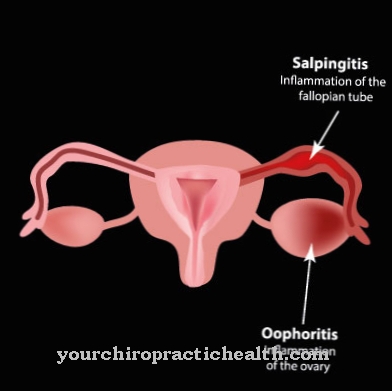
The composition of the urine and the distribution of the individual ingredients quickly provide information, especially about diseases of the urogenital tract. In the case of inflammation of the bladder or the urinary tract, urine typically contains leukocytes or nitrite, as a reliable indicator of pathogenic nitrite-forming bacteria.
Blood in the urine can also indicate inflammatory processes or even a malignant kidney tumor, hypernephroma. In the traditional urine inspection of antiquity, conclusions about pathological conditions in the body could be drawn from the appearance of the urine.
Harnschau has been forgotten today and has been completely replaced by so-called multi-strip diagnostics. Such a urine test strip contains up to 12 different individual parameters that can be tested after a short immersion in a urine sample. These include, for example, test fields for erythrocytes, nitrite, protein, leukocytes or urobilinogen.
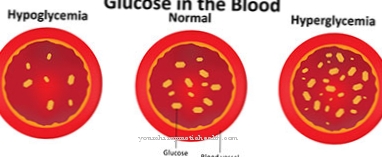
General metabolic diseases, such as diabetes mellitus, can also be diagnosed through the terminal urine. As soon as the so-called kidney threshold of glucose, 180 milligrams per milliliter of blood, is exceeded, the blood sugar passes into the urine and is then detectable in the urine, a sure diagnostic sign of diabetes.
Typical complaints for diseases of the genitourinary system are, for example, burning sensation when urinating, decreased or increased urination, the urge to urinate up to nausea and vomiting with kidney involvement.
If the kidney can no longer fulfill its filter function due to illness, then uremia accumulates in the blood, which is also known as uremia. Only dialysis can then save a patient's life.