Calcitriol is a very effective secosteroid, which due to its structure is similar to steroid hormones. It is hydroxylated in various tissues, but mainly in the kidneys, and is sometimes prescribed as a drug.
What is calcitriol?
Unlike other vitamins, vitamin D can be produced in the body itself. Deficiency symptoms only occur when there is too little sunlight or due to metabolic disorders.
The active form of vitamin D3, which is responsible for the calcium balance in the body, is described as calcitriol. With the help of a vitamin D receptor, it is transported into the nucleus of the cell, where the complex associates with the DNA. Calcitriol works here
- promoting the sperm movement
- against psoriasis and hair loss
- as protection against different types of cancer
- beneficial for the immune system, as many infections can be fended off better
- against osteoporosis
Function, effect & tasks
Calcitriol plays an essential role in the body's calcium balance. An acute vitamin D deficiency can lead to bone diseases such as osteomalacia or rickets.
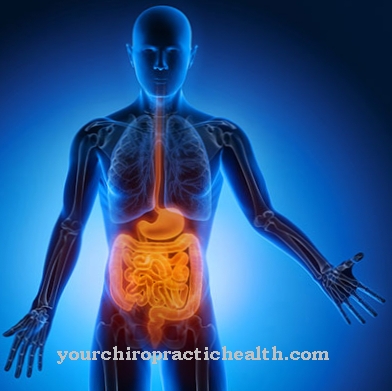
Calcitriol is important for the absorption of phosphate and calcium in the small intestine, whereby the calcium is absorbed by so-called calcium channel proteins. Then it is transported through the cell and released into the blood. The calcium uptake depends on the calcitriol occurrence. Another important target organ for calcitriol are the bones. The bone tissue is exposed to constant breakdown and regeneration, whereby the parathyroid hormone, calcitriol and the calcium blood level work together. Calcitriol is essential for the regular breakdown and build-up of bones, and it also helps to produce osteocalcin. Calcitriol also has a very beneficial effect on the immune system.
It helps to improve the defense against infection and protects against various autoimmune diseases such as circular hair loss or psoriasis. It also protects against certain types of cancer and has an effect on blood pressure, muscles and the nervous system. Calcitriol is also essential for the release of thyroid hormones and for insulin secretion. Calcitriol does not have a regulating effect, but influences other regulatory mechanisms. A normal calcitriol value depends on age and is between 20 and 67 ng / l in adults. Vitamin D3 levels are particularly important for children and pregnant women to ensure healthy growth.
Education, occurrence, properties & optimal values
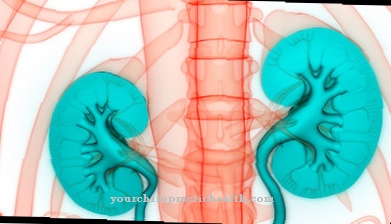
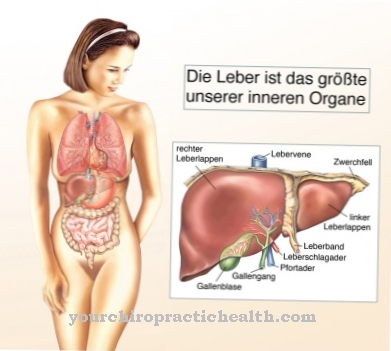
Calcitriol is made from 7-dehydrocholesterol. As part of its synthesis, the hormone passes through the skin, liver and kidneys. Calciol (vitamin D3) is formed in the skin. It then reaches the liver via the blood, where it is bound to a vitamin D receptor. In the liver the calciol is converted to calcidiol, in the kidney the conversion to calcitriol takes place with the help of a second OH group.
Calcitriol is mainly excreted via the bile, with the majority taking part in a so-called enterohepatic cycle and then returning to the body. The individual intermediate stages have very different half-lives, the half-life of calcitriol being around three to five hours. The intake of vitamin D through various foods only plays a relatively minor role, since in areas that are rich in sunlight, the need for vitamin D is largely covered by self-synthesis.
However, especially in winter and autumn, foods that have a high ergocalciferol or cholecalciferol content should be consumed. This includes foods like fish, eggs, or avocados.
Diseases & Disorders
If the calcitriol concentration is very low due to a vitamin D deficiency, rickets will occur. If the patients are then treated with vitamin D, the calcitriol level rises above the normal value.
Rickets is very rare, so the calcidiol level must always be measured in addition to the calcitriol level. Another disease is osteomalacia, a soft bone that occurs in adulthood and which is caused by a lack of calcitriol. Even with kidney and liver diseases, such as chronic kidney failure or liver cirrhosis, the vitamin D absorbed through the skin cannot be sufficiently hydroxylated to calcitriol. If the calcitriol concentration is too high, so-called sarcoid can occur.
Tissue nodules form in the lungs and people suffer from coughing and shortness of breath. The vitamin D3 level also rises in malignant tumors and in an overactive parathyroid. Calcitriol levels can also increase after a kidney transplant. Hereditary defects also trigger an increased production of calcitriol. Other symptoms that indicate a vitamin D deficiency are:
- Deformity of the legs and the spine
- Jaw deformity and misaligned teeth
- Muscle weakness
- Tooth loss
- Increased irritability and nervousness
- myopia
- Muscle spasms in the feet, hands and lips
A very high dose of vitamin D can in rare cases lead to death. For this reason, all preparations with over 1000 I.U. Vitamin D prescription only. Symptoms of vitamin D overdose include:
- Endocrine psychosyndrome
- acute cardiac arrhythmias
- Feeling of fullness, loss of appetite, constipation and vomiting
- Polydipsia
- Polyuria
However, vitamin D poisoning can only occur as a result of taking vitamin D preparations.








.jpg)