tuberculosis, also as Koch's disease or Consumption is an infectious disease that usually has a chronic course. Untreated tuberculosis almost always leads to death. Above all, the high risk of infection and long-term treatment make tuberculosis a serious and dangerous disease.
What is tuberculosis?
tuberculosis or Consumption is an infection-borne chronic disease. The course of the disease can be divided into two stages.
1. Primary tuberculosis, in which an initial infection with bacteria can be assumed.
2. Post-primary tuberculosis, which only sets in after primary tuberculosis. Above all, it damages the internal organs.
Tuberculosis can appear in an infectious form (open) or non-infectious form (closed). However, closed tuberculosis can also become active again, i.e. infectious. Tuberculosis is notifiable and should be treated promptly by a doctor. If there is a high risk of infection, the person concerned can even be placed in medical isolation.
causes
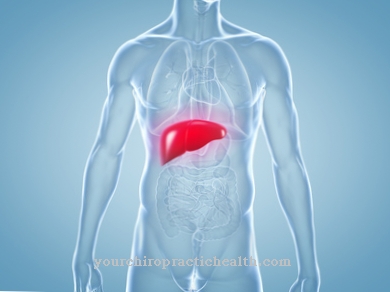
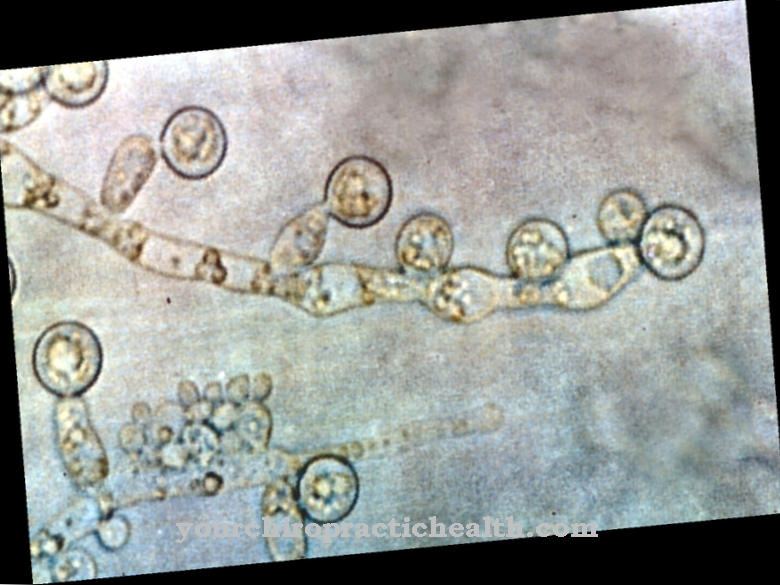
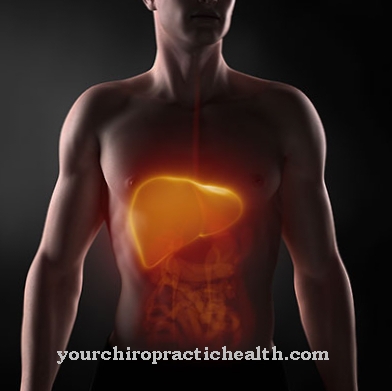
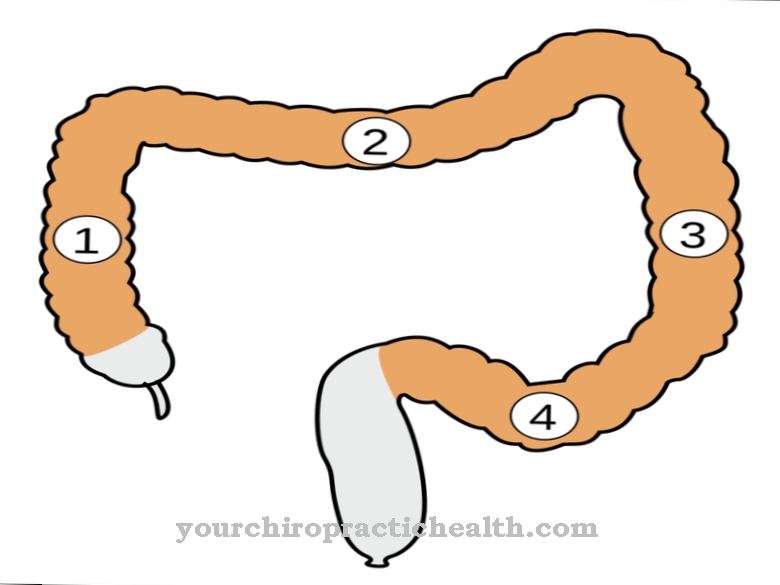
tuberculosis is mostly caused by the bacterium Mycobacterium tuberculosis. In doing so, an infection with the rod-shaped bacteria occurs, especially in direct contact. Above all, coughing, urine, gastric juice or stool are highly contagious. Therefore, according to the cause, tuberculosis can be differentiated into pulmonary tuberculosis, intestinal tuberculosis or urinary tract tuberculosis.
In addition to contact infection, tuberculosis is also transmitted by the classic route of droplet infection. Typical of this are sneezing, coughing and speaking. The time from infection to the onset of the first symptoms (incubation period) is usually two weeks to several months. Most of the time, the disease breaks out within six months of being infected.
Symptoms, ailments & signs
The symptoms of tuberculosis are usually very unspecific. Many sick people suffer from loss of appetite, weakness, fatigue and weight loss. Very often the body temperature is also increased and night sweats appear. Only about half of all people infected with tuberculosis develop lung problems such as "coughing" or coughing without much sputum.
If the respiratory tract is also attacked by the bacteria, one speaks of open pulmonary tuberculosis, which also causes breathing difficulties. If the disease progresses, those affected cough up blood; in extreme cases, a so-called hemorrhage may occur. So if a cough lasts longer than three weeks and the sick complain of bloody sputum, a doctor should be consulted.
A particularly severe form is so-called military tuberculosis, in which the general condition of the patient is severely impaired. They also suffer from severe illness and a high fever. In people with a weakened immune system, tuberculosis can also spread to other organs, such as the spinal cord, the brain, the intestines, the bones, the lymph nodes or the kidneys. The symptoms of the disease are then very different and the disease is often very difficult to diagnose in this case.
Course of disease
The course of a tuberculosis is favorable with timely examination and diagnosis. If the therapy, as prescribed by the doctor, is followed, healing is possible without any consequential damage.
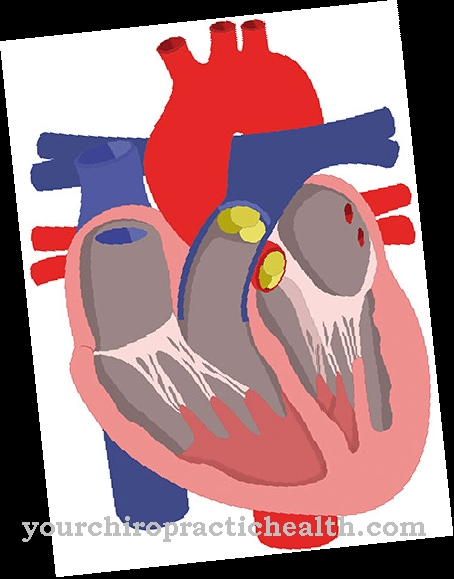
However, if the person concerned does not see a doctor or if the tuberculosis is not detected early on, this can have negative effects on the internal organs such as the heart or lungs. Especially when the immune system is weakened, the disease can also lead to death.
Complications
The complications that occur in connection with tuberculosis are diverse and depend on where in the body the pathogen has already spread. In addition, if there is no therapy, the last complication in around 50 percent of the cases is death.
Tuberculosis can be the first complication to migrate in the body. This usually happens through the lymphatic system from the lungs. The pathogens reach the internal organs, bones, meninges and other regions of the body. People with a weakened immune system are particularly at risk.
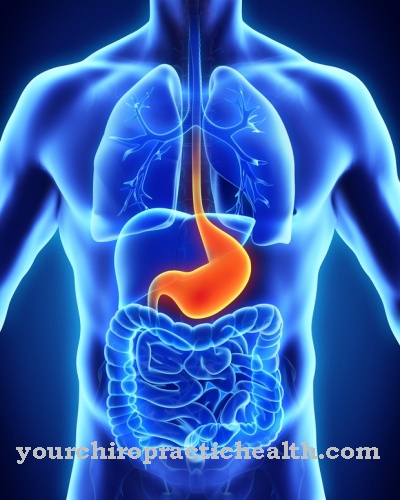
As a result, serious complications can occasionally occur, depending on the duration of the illness and the treatment. Meningitis can occur. Infestation of the intestine also poses a high risk, as it can lead to perforations and the associated sepsis. Functional losses or disorders of individual organs occur.
On the one hand, the lungs are damaged by the pathogen. Second, swollen lymph nodes in the area lead to the risk of airway dislocation. Pneumothorax can occur. For those affected, this means the need for rapid medical intervention to stabilize the airways.
Inflammation of the bone marrow is possible, which in turn can have significant effects on blood formation and the immune system. Blood clotting can also be disrupted. Complications can largely be avoided with early and consistent treatment.
When should you go to the doctor?
In the beginning, tuberculosis usually does not cause any clear symptoms. At most, those affected feel sickly, occasionally cough and under certain circumstances suffer from slight exhaustion. Night sweats and loss of appetite are signs that need to be clarified. Likewise, weight loss and bloody cough. Symptoms such as persistent cough, sputum, or shortness of breath may be due to advanced tuberculosis. Medical advice is required if the symptoms affect the well-being and do not recede within a few days.
Should further symptoms such as fever or increasing fatigue occur, the doctor must be consulted immediately. Antibiotic therapy must be closely monitored by a doctor. The patient must consult the doctor closely and, if necessary, initiate the first preventive measures. A doctor's visit is necessary if the typical symptoms of tuberculosis occur in a pregnant woman or in people with previous illnesses. Should a strong fever or signs of a circulatory collapse become noticeable, it is best to call the medical emergency service or the ambulance service directly so that treatment can take place immediately.
Treatment & Therapy
Since the tuberculosis can be highly contagious, urgent medical attention should be sought. Furthermore, in Germany there is an obligation to report cases of tuberculosis to the medical officer. The therapy of open, i.e. infectious, tuberculosis patients takes place in an inpatient hospital. Mostly in quarantine.
Various combinations of antibiotics are used to treat tuberculosis. This is necessary because some tuberculosis pathogens have become resistant to antibiotics. The aim of this therapy is to stop the bacteria and their reproduction or to kill them. A treatment, e.g. in pulmonary tuberculosis, which last about six months.
In addition to this therapy, doctors should also use other means to alleviate the accompanying symptoms. Above all, the very strong cough or throat irritation should be alleviated. Smoking and alcohol are absolutely forbidden in this long phase of tuberculosis therapy. If there were no complications during treatment, the person concerned should still be examined regularly for at least two years. Sometimes not all tuberculosis pathogens have been completely killed, so that the disease can break out again.
You can find your medication here
➔ Medicines against coughs and coldsprevention
Preventing a tuberculosis consists mainly in the form of a vaccination. However, the effectiveness of this vaccination is controversial. You can get more information about this from your family doctor. Another preventive measure is the rapid diagnosis of other tuberculosis sufferers and their isolated treatment in hospital.
Aftercare
In any case, extensive follow-up examinations are necessary after healed tuberculosis, as there is a risk of relapse. The affected patients must be medically monitored for a period of at least two years, depending on the assessment of the attending physician. Sometimes an intensive control over several years is necessary.
The attending physician decides how long the patient will be monitored. The decisive factors are the age and medical history of the person affected, the risk assessment by the health department, the result of the clinical findings and the environmental hazard. It is also crucial whether there are chronic diseases. The length of time and control intervals can vary greatly depending on the clinic and treating doctor.
An examination usually includes at least a weight control, chest x-ray and sputum removal. In addition, other measures can also be taken. In some cases, a stay in a clinic for rehabilitation is advisable within the first few months after healing. For many of those affected, the illness and the associated lengthy hospital stays in isolation rooms represent a great psychological burden. It is therefore advisable to seek psychotherapeutic help as part of the aftercare.
You can do that yourself
Natural home remedies can be helpful. Garlic in particular contains a lot of sulfuric acid, which can destroy causative germs. It also contains ajoene and allicin, which can inhibit bacterial growth. The antibacterial properties as well as an immune-strengthening effect are of great benefit.
Bananas are also an excellent source of much-needed nutrients and calcium, which strengthen the immune system of those affected. The ingredients can also help to noticeably alleviate the constant cough and fever. Moringa also has anti-inflammatory and antibacterial properties that help clear tuberculosis bacteria from the lungs.Moringa also reduces inflammation caused by constant coughing caused by infection. Moringa pods and their leaves are also a source of important carotene, phosphorus, calcium and the valuable vitamin C.
The medicinal plant mint is beneficial because it has healing and antibacterial properties. The mint especially helps to loosen the stuck mucus, revitalize the body and supply the lungs with oxygen. Black pepper can help cleanse the compromised lungs, which can relieve the chest pain associated with tuberculosis. Thanks to its anti-inflammatory properties, it also reduces the inflammation caused by bacteria and the annoying cough. Orange juice has a salt-like effect in the lungs, which makes expectoration easier and protects against secondary infections.


.jpg)