
Editor'S Choice
 Muscle biopsy
Treatments Granulation phase
Krperprozesse This is the best way for babies to survive the heat, sun and summer
Babies-And-Toddlers Calcium deficiency
Diseases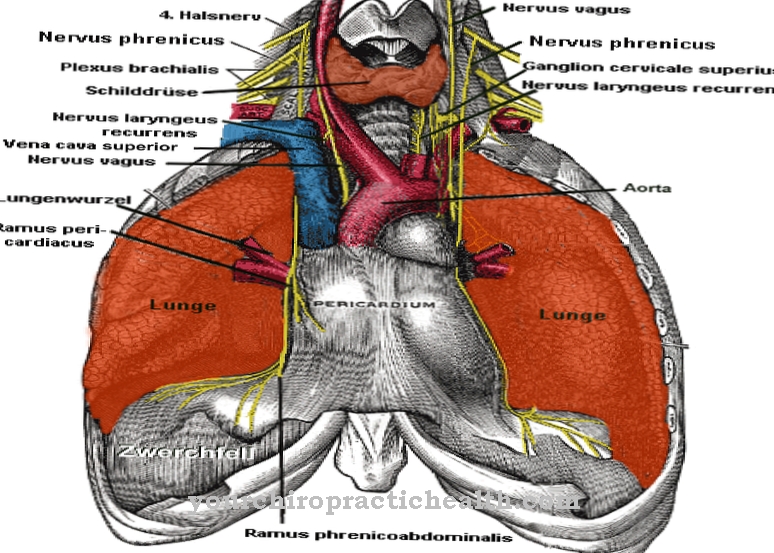 Phrenic nerve
Anatomy
Most Visited
 Clofazimine
Active Ingredients.jpg) Basalioma (basal cell carcinoma)
Basalioma (basal cell carcinoma)
Diseases Fluvoxamine
Active Ingredients Window tear
Diseases Pigment disorder
Diseases

.jpg)
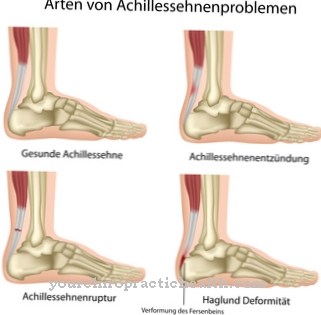
The Achilles tendon is one of the most important tendons in the human body, as without it it would be impossible to move on two legs. How is this tendon constructed? What functions and tasks does it perform? And what kind of complaints can be related
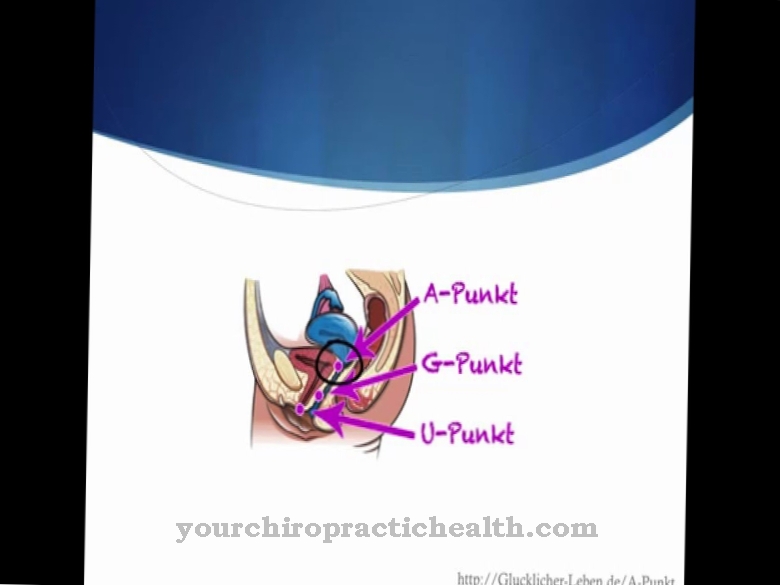
The A-spot is a woman's erogenous zone, which should be between the G-spot and the cervix. Its existence has not yet been scientifically proven and is considered a pure hypothesis. The stimulation of the A-point should enable multiple orgasms

The armpit lies between the shoulder and the lateral chest wall. This anatomical structure mainly contains glands that produce sweat and pheromones. Under the armpits, skin diseases such as fungal infections are particularly common.
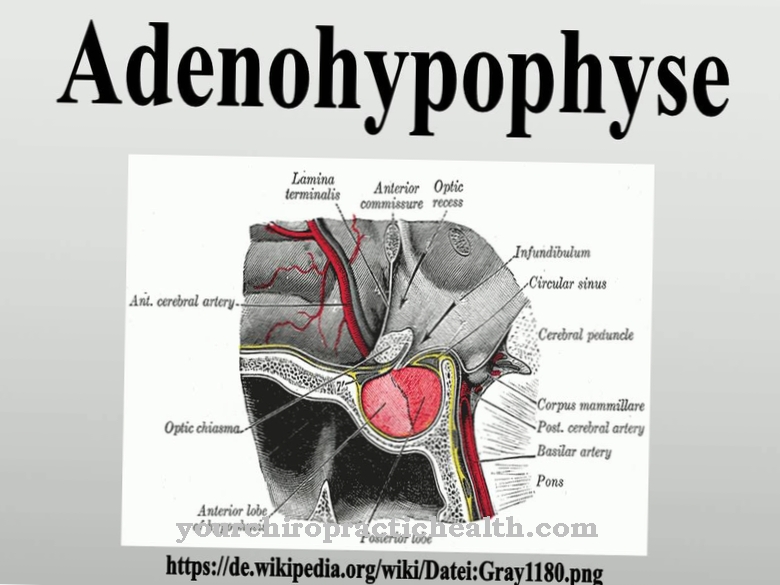
As part of the pituitary gland, the adenohypophysis is an important endocrine gland. It is responsible for producing a number of different hormones. Disturbances in the function of the adenohypophysis lead to typical diseases caused by a
Ligaments hold the human skeleton together. They make a decisive contribution to the stability of the body and anyone who has ever had the painful experience of a torn ligament knows about their important role in the musculoskeletal system.
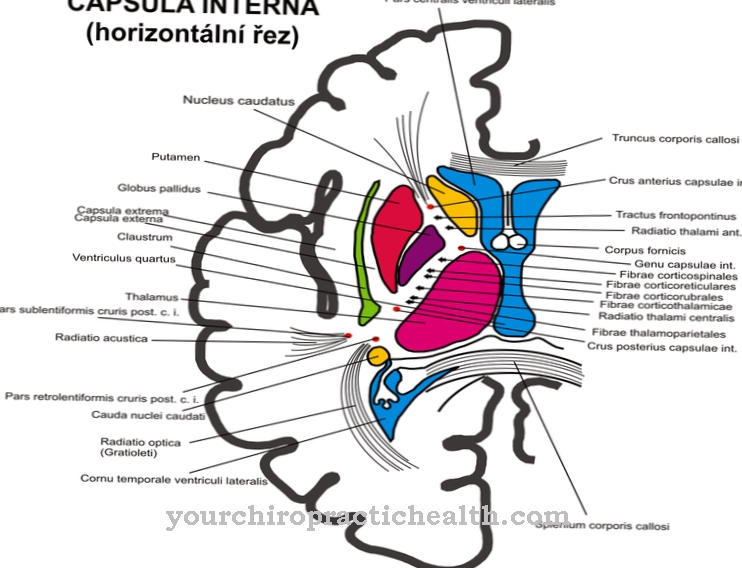
The internal capsule is located in the human brain and consists of nerve fibers that connect deeper areas and the cerebral cortex.
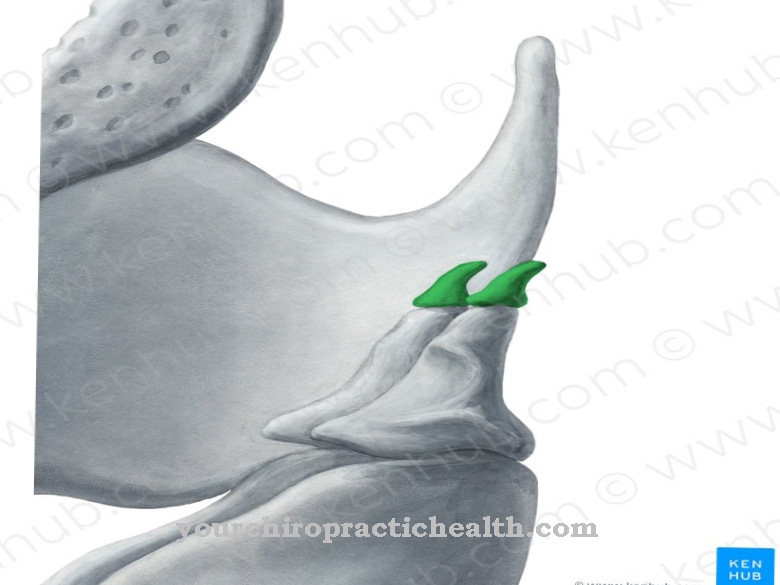
The cartilago corniculata is a cartilage of the human system. It is located in the throat and is assigned to the larynx. It is a small piece of cartilage that supports the functioning of the larynx.
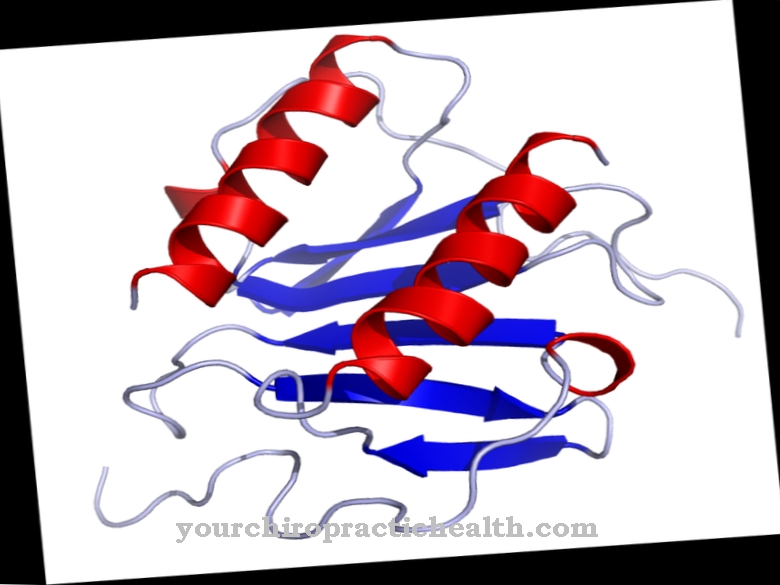
Chemokines are small signal proteins that trigger the chemotaxis (migration) of cells. Usually these cells are immune cells. Thus, the chemokines are responsible for the effective functioning of the immune system.
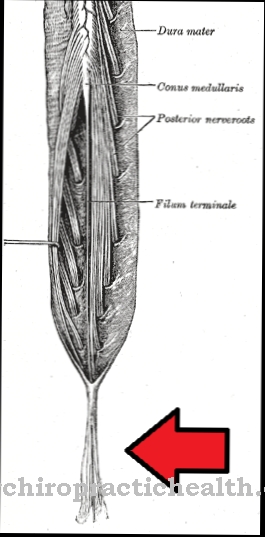
In the spinal canal of the vertebral column, the cauda equina forms a bundle of spinal nerve roots below the spinal cord. It lies within the skin of the spinal cord and supplies the lower half of the body with nerve signals from the central nervous system and receptors
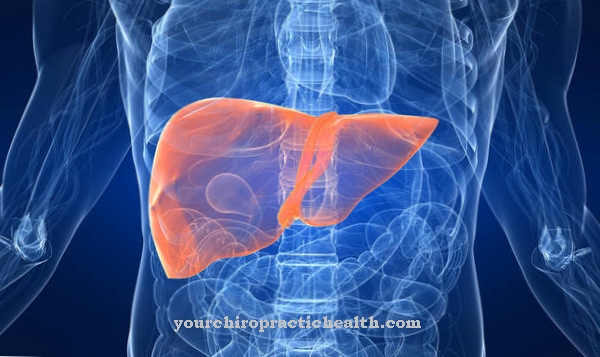
The digestive glands are important functional units of the digestive system that enable food components to be broken down. Diseases of these organs often lead to serious digestive and metabolic disorders
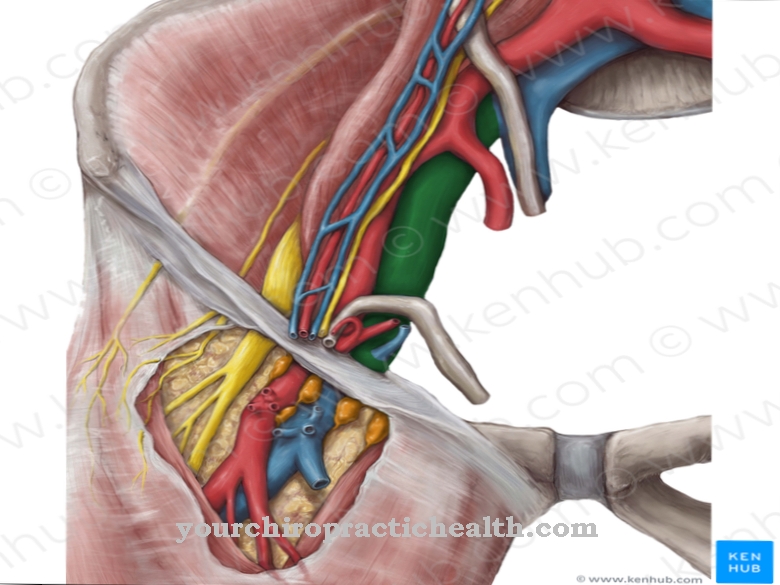
The inguinal canal is a tubular connection between the abdominal cavity and the external pubic area. In men, the spermatic cord runs here, in women just a strap of the uterus and fatty tissue. Parts of the intestine emerge through the inguinal canal
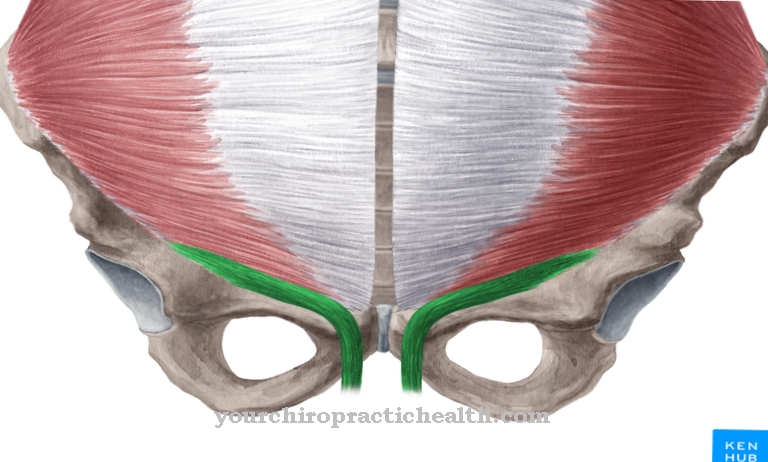
The cremaster muscle is also known as the cremaster muscle or testicle lifter and surrounds the spermatic cord and testicles. It reflexively contracts to external stimuli such as cold and pulls the testicles towards the trunk. With testicular deficiencies such as the pendulum testicle
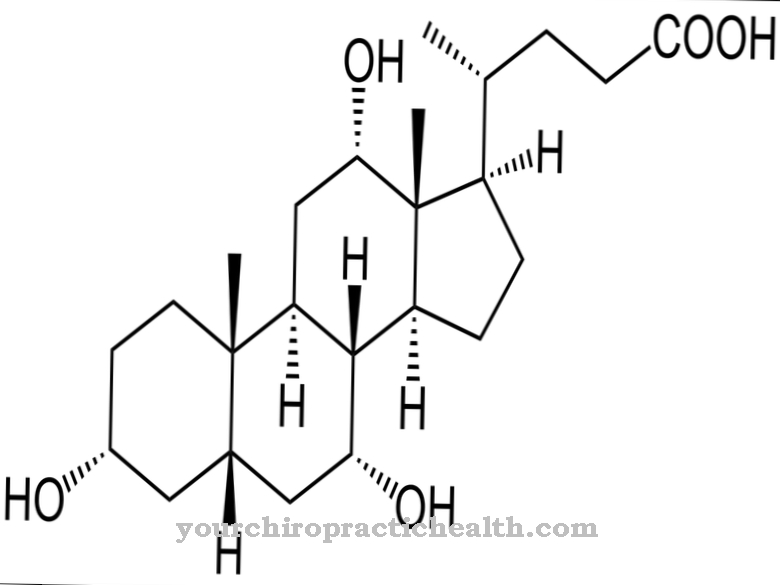
Cholic acid is a primary bile acid that plays a role in fat digestion. It stabilizes lipids to emulsions and makes them vulnerable to lipases. In the case of a cholic acid deficiency, the digestion of fat is disturbed, which is mainly a
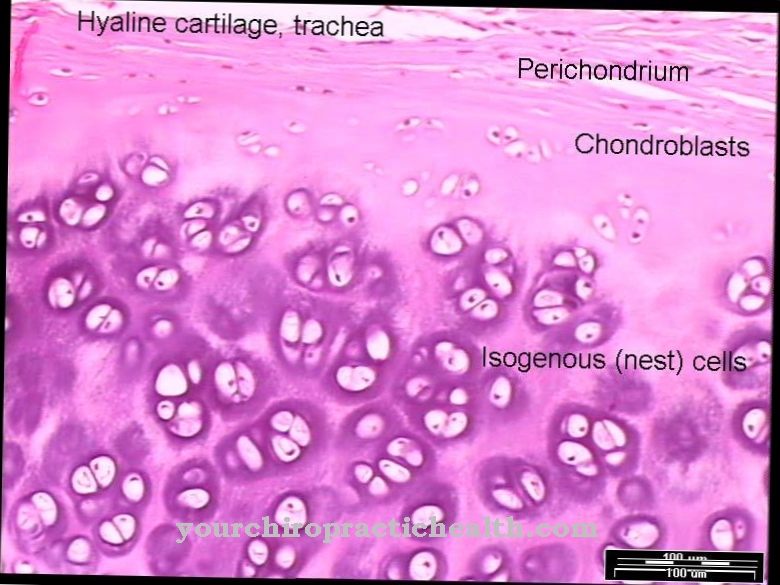
Chondroblasts are progenitor cells of the chondrocytes and form the extracellular matrix of the cartilage tissue. In the course of the process, they find themselves isolated from their neighboring cells in a lacuna and at that moment become chondrocytes, the cartilage cells
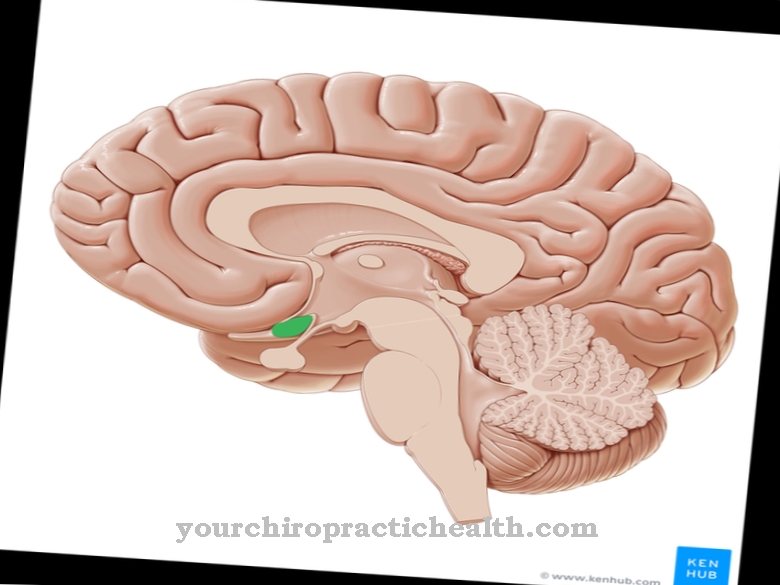
A junction of the optic nerve is called the optic chiasma. This is where the nerve fibers of the nasal halves of the retina cross.
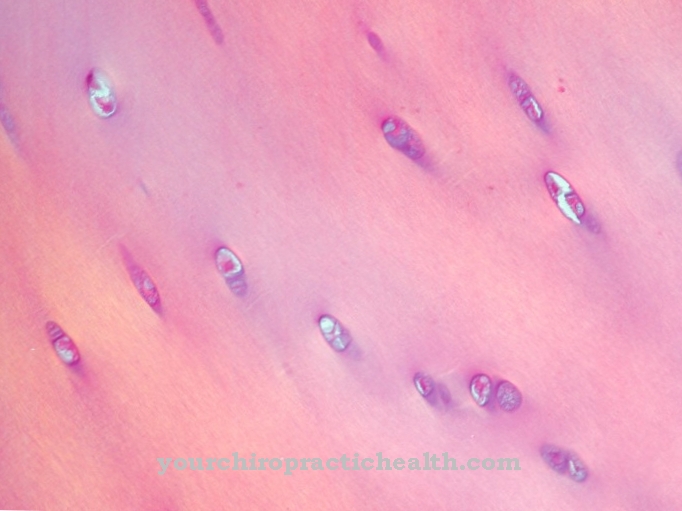
A chondrocyte is a cell that belongs to the cartilage tissue. It is also called cartilage cell.
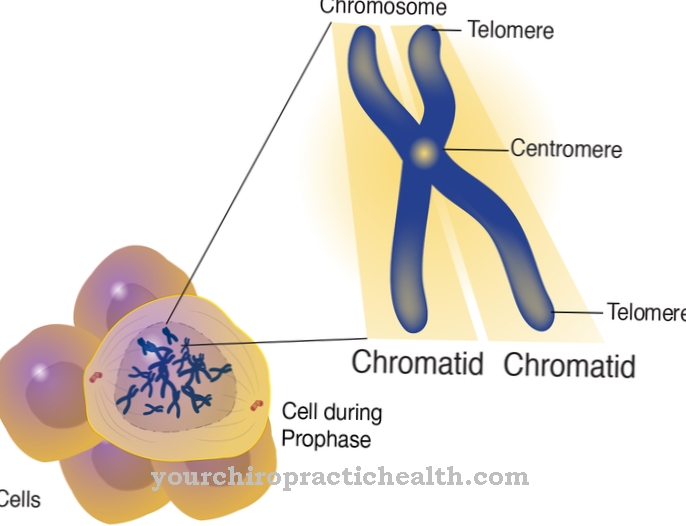
Chromatids are part of the chromosomes. They contain a double strand of DNA and play a role in mitosis and meiosis. Diseases such as Down's syndrome are associated with errors in the division of chromatids and chromosomes.
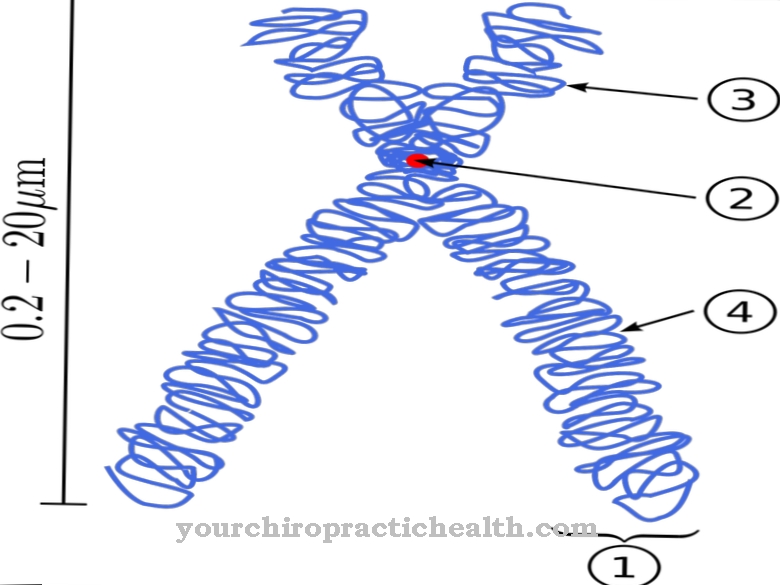
Chromosomes are the carriers of genetic information. They ensure that the parents' physical characteristics are passed on to their children. At the same time, serious illnesses can arise
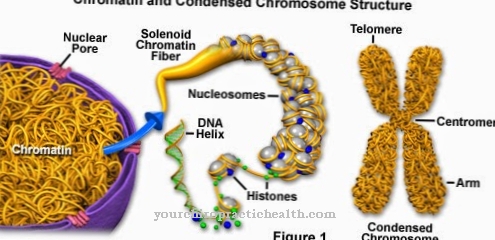
Chromatin is the material that chromosomes are made up of. It is a complex of DNA and surrounding proteins that can compress the genetic material. Disturbances in the chromatin structure can lead to serious illnesses
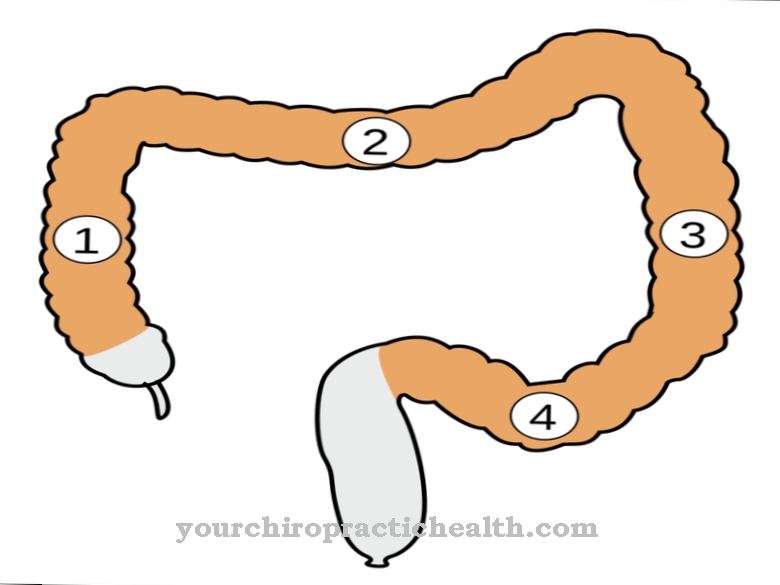
The sigmoid colon is the last section of the large intestine and lies immediately in front of the rectum. It is mainly responsible for the final digestion and portioning of the digestive residues before they enter the rectum.

Interesting Articles
Recommended
Most Popular