
Editor'S Choice
 Muscle biopsy
Treatments Granulation phase
Krperprozesse This is the best way for babies to survive the heat, sun and summer
Babies-And-Toddlers Calcium deficiency
Diseases Phrenic nerve
Anatomy
Most Visited
 Clofazimine
Active Ingredients.jpg) Basalioma (basal cell carcinoma)
Basalioma (basal cell carcinoma)
Diseases Fluvoxamine
Active Ingredients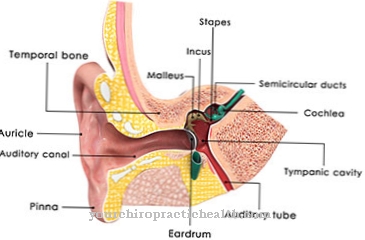 Window tear
Diseases Pigment disorder
Diseases

.jpg)

The nephrologist understands the blood-urinary barrier to be a filtration barrier that consists of kidney corpuscles and Bowman's capsule. Due to the permselectivity of the barrier, blood proteins are not filtered out by the kidneys. With inflammatory processes
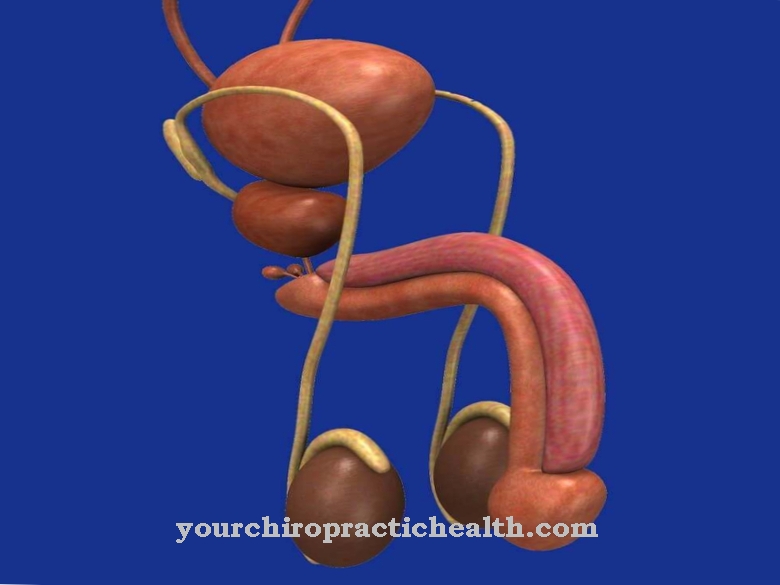
A pair of accessory sex glands in men is called the vesicle gland. They are located above the prostate and, together with the vas deferens, open into the urethra. The vesicle glands provide an alkaline for the ejaculate
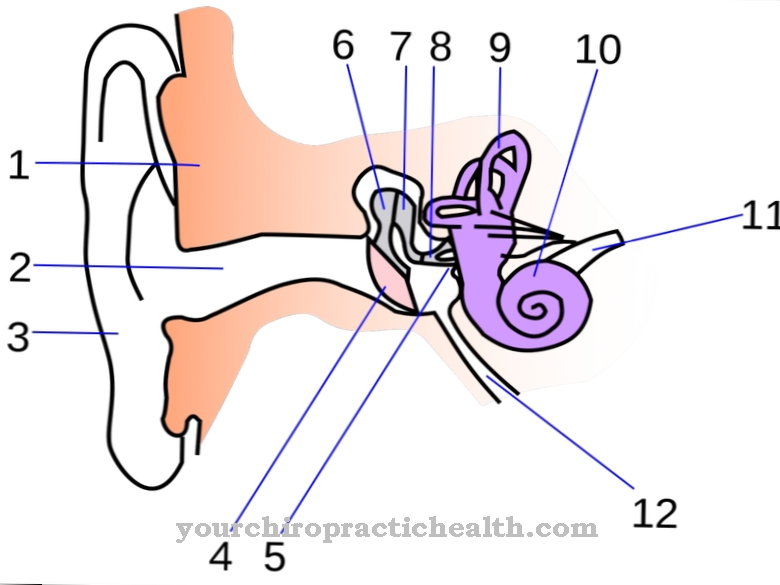
The three semicircular canals in the inner ear, arranged in pairs and equipped with mechanoreceptors, belong to the organs of equilibrium and are almost perpendicular to each other, so that one semicircular canal for each of the three main directions of rotation in three-dimensional space
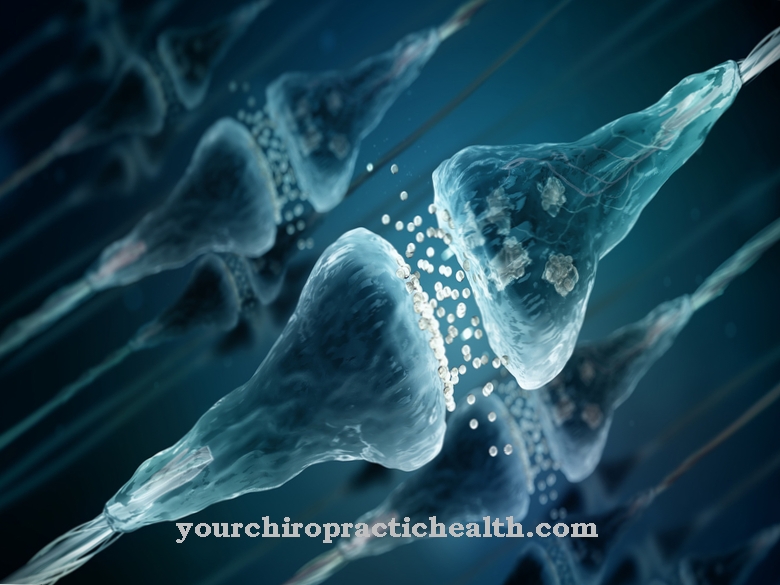
Messenger substances are signal substances that serve to transmit signals and information between organisms or between the cells of an organism. The signal substances fulfill different functions. Disturbances in signal transmission within
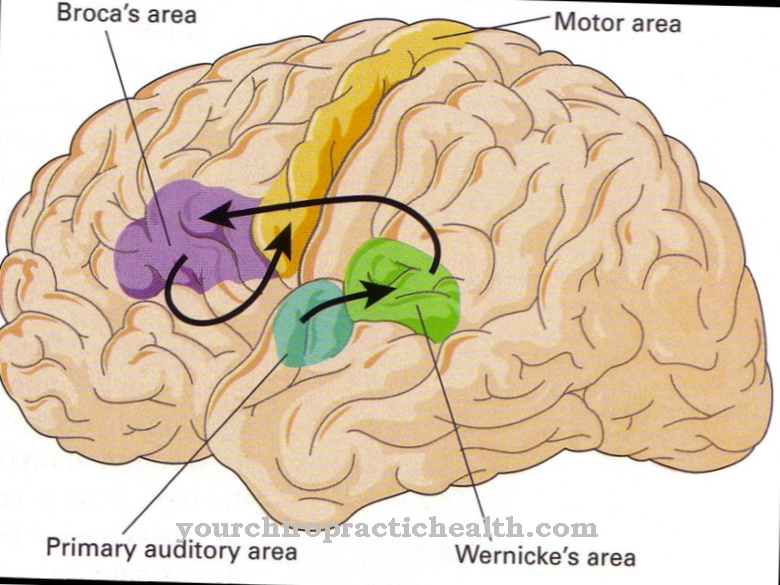
The Broca area is an anatomical functional unit of the human brain. Even the smallest lesions in this area of the cerebral cortex lead to measurable inefficiencies or cognitive failures.
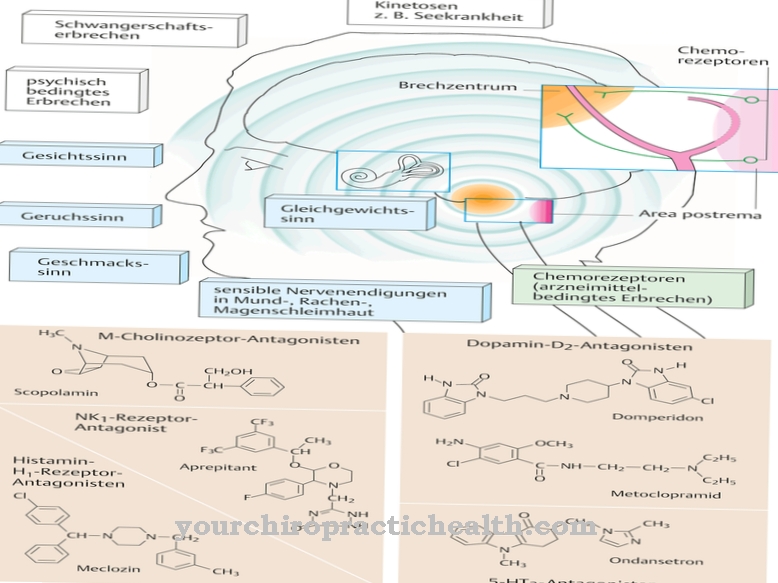
The vomiting center is composed of the area postrema and the nucleus solitarius and is located in the brain stem. It triggers the process of vomiting and thus reacts defensively to possible toxins that a person ingests through food. Cerebral
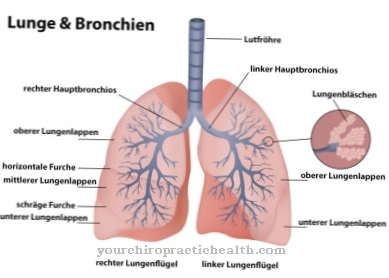
The lung is an organ that is characterized by an extremely complex structure and a complicated structure. The bronchi are very central components that have a decisive influence on the anatomy of the lungs.
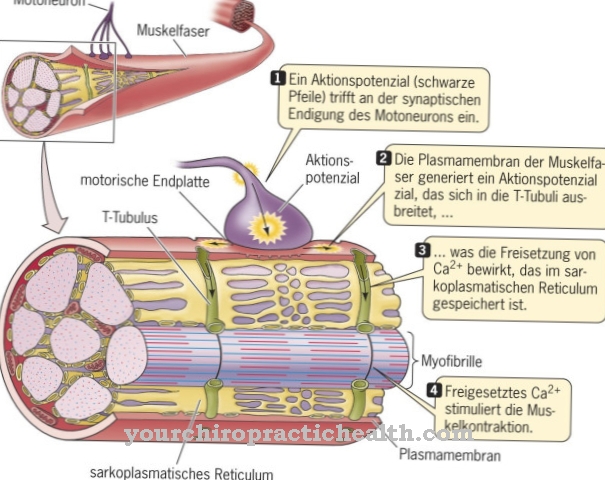
The sarcoplasmic reticulum is a membrane system made of tubes that lies in the sarcoplasm of the muscle fibers. It supports the transport of substances within the cell and stores calcium ions, the release of which leads to muscle contraction. At different
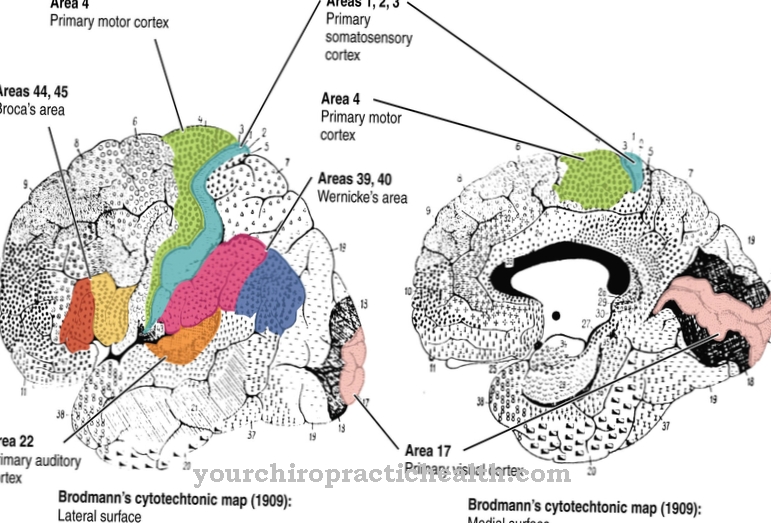
The Brodmann areas are a division of the human cerebral cortex on the basis of the cell architecture. Areas with the same cellular structure form a Brodmann area. The brain is divided into 52 Brodmann areas.
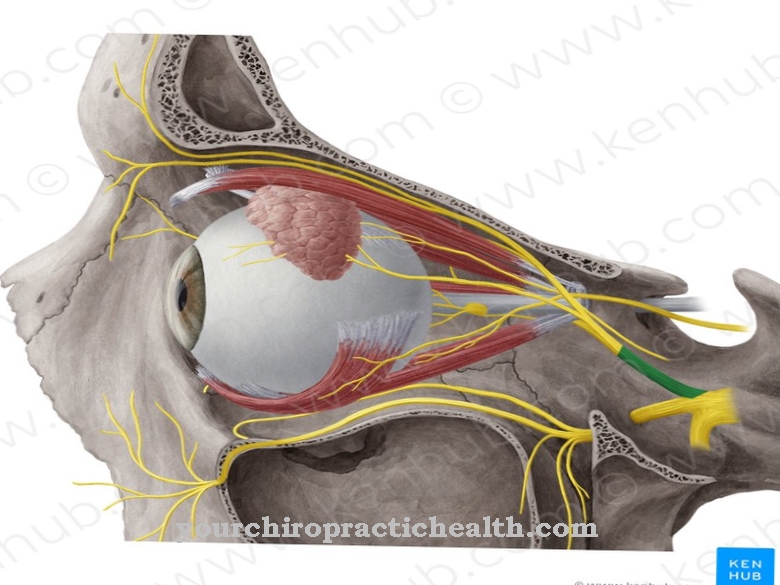
The ophthalmic nerve is the branch of the eye of the trigeminal nerve and as such is involved in trigeminal perception. Due to its location in the human head, it primarily absorbs sensory stimuli from the eye region. Functional restrictions k
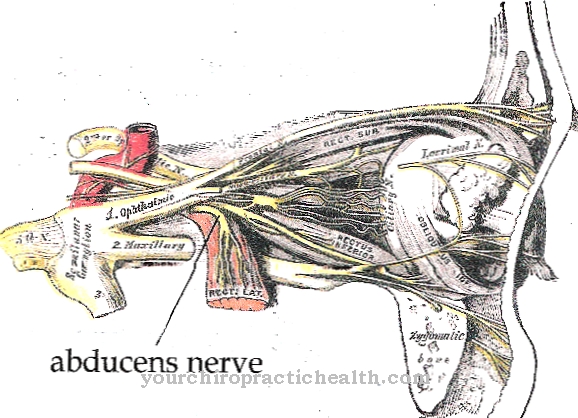
The abducens nerve is the VI. Cranial nerve. He is responsible for the movement of the eyeball. It consists mainly of motor fibers and innervates the muscle that is straight at the side.
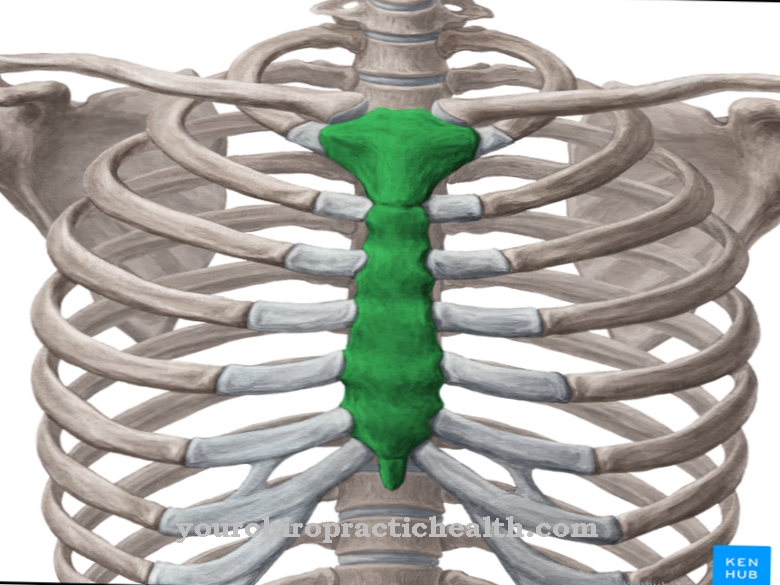
Located in the center of the rib cage, the sternum is a bone that is flat and sword-shaped. Structures that are behind the breastbone are called retrosternal, structures that are located on the side are called parasternal. Of the
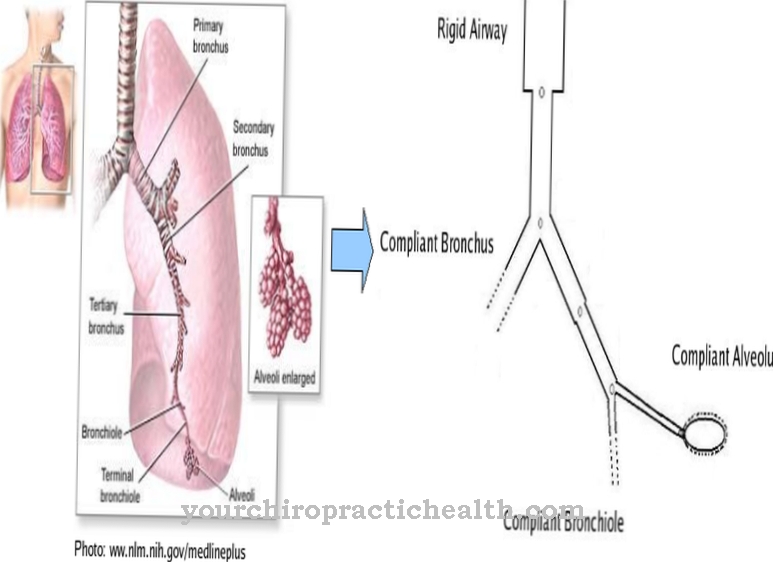
A bronchiolus is a small branch of the bronchi. It belongs to the lower respiratory tract. Solitary inflammation of the bronchioli is known as bronchiolitis.

Nipples usually come in pairs in humans and are located on the left and right of the chest. The main purpose of nipples is to supply the offspring with breast milk. The exits of the milk drums are located on the nipple
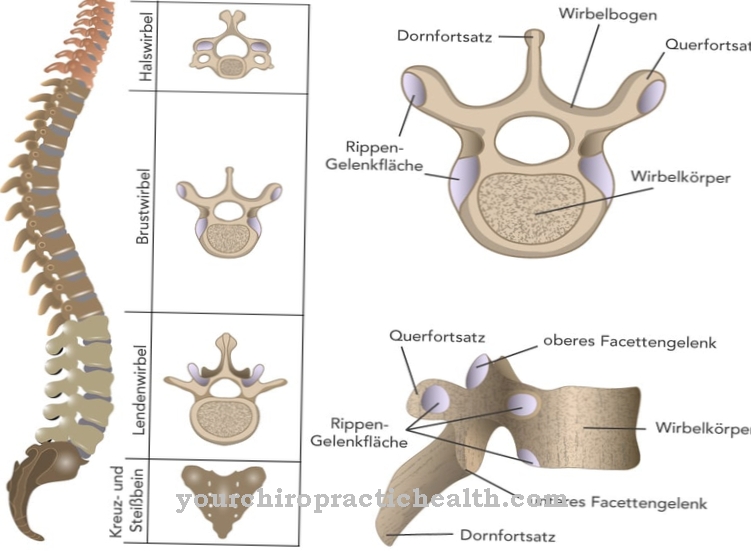
Thoracic vertebrae are the twelve bony components of the middle spine. The most important tasks of this thoracic spine are to stabilize the upper body and protect the heart and lungs. Conditions like osteoporosis can affect the thoracic vertebrae
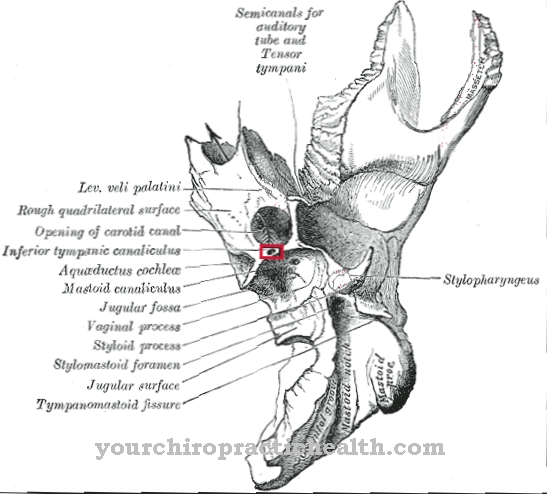
The tympanic nerve is part of the IX. Cranial nerve. It's located in the middle ear. There he innervates the ear trumpet.
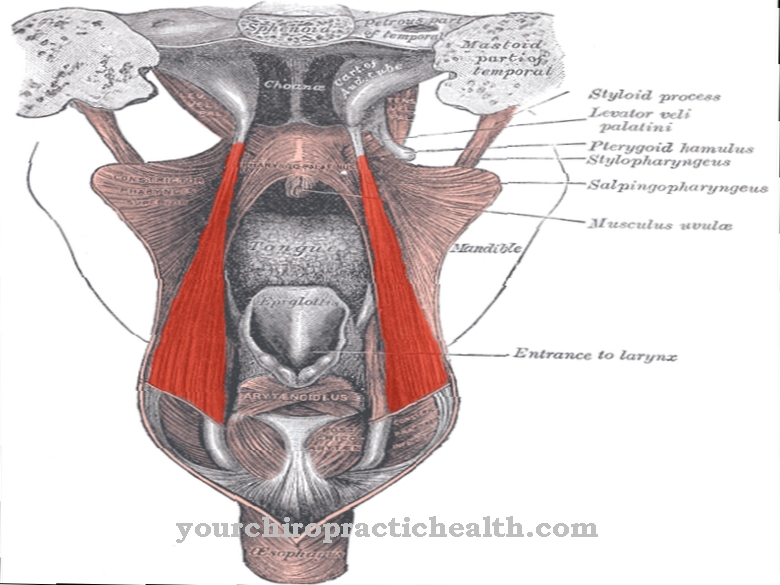
The stylopharyngeus muscle is a muscle located in the area of the human throat. It's long and narrow. Its job is to support the swallowing process.

The glossopharyngeal nerve belongs to the cranial nerves and has six branches in which it carries motor, parasympathetic, sensory and sensitive fibers. With them, the glossopharyngeal nerve predominantly innervates the pharynx, the tongue and the palatine tonsil
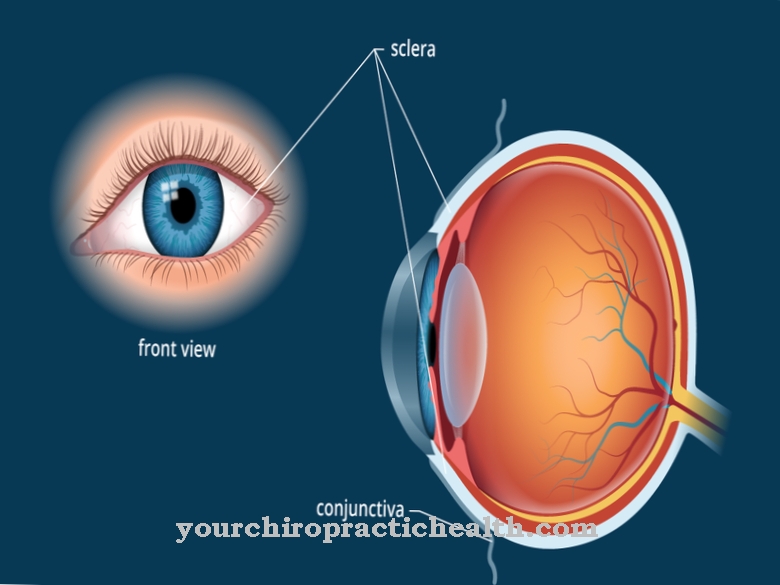
The sclera or dermis is part of the eye and spans a large part of the eyeball. It mainly has a protective function.
.jpg)
Only an intact cornea is a guarantee for a clear view. With its enormous refractive power, it is of great importance for vision. The cornea needs special attention as it is directly exposed to the environment with the various hazards

Interesting Articles
Recommended
Most Popular