
Editor'S Choice
 Home remedies for flu
Hausmittel Milk production
Krperprozesse dandelion
Medicinal Plants Necrotizing fasciitis
Diseases blood circulation
Anatomy
Most Visited
 Fatty acid oxidation
Krperprozesse Thrombocytopenia
Diseases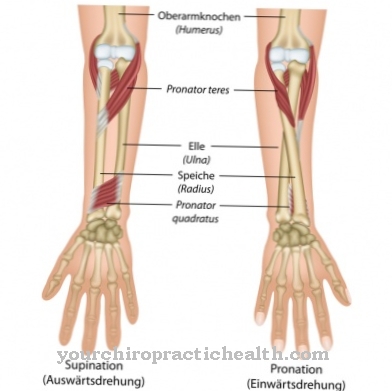 spoke
spoke
Anatomy Pale skin
Symptoms Holocrine secretion
Krperprozesse

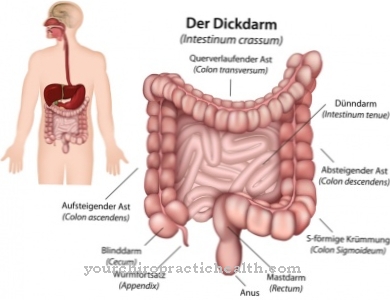
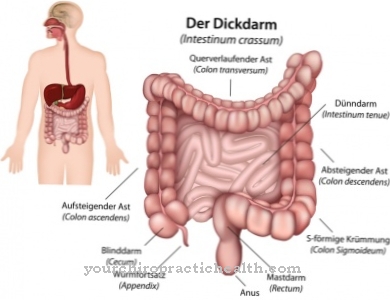
The large intestine is an organ located at the end of the digestive tract and outweighs the small intestine in thickness. In addition, the large intestine has some special anatomical features that distinguish it from other sections of the intestine and make it
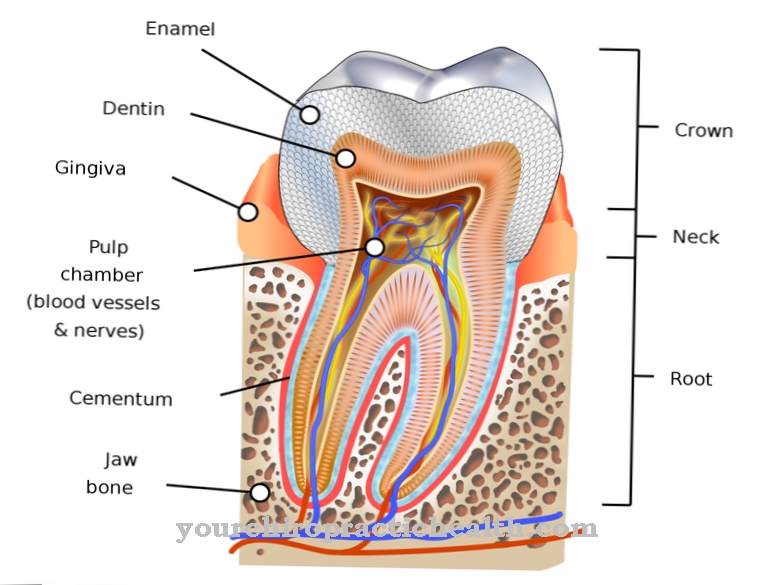
The human dentin is called dentin. It forms an extensive part of the tooth.
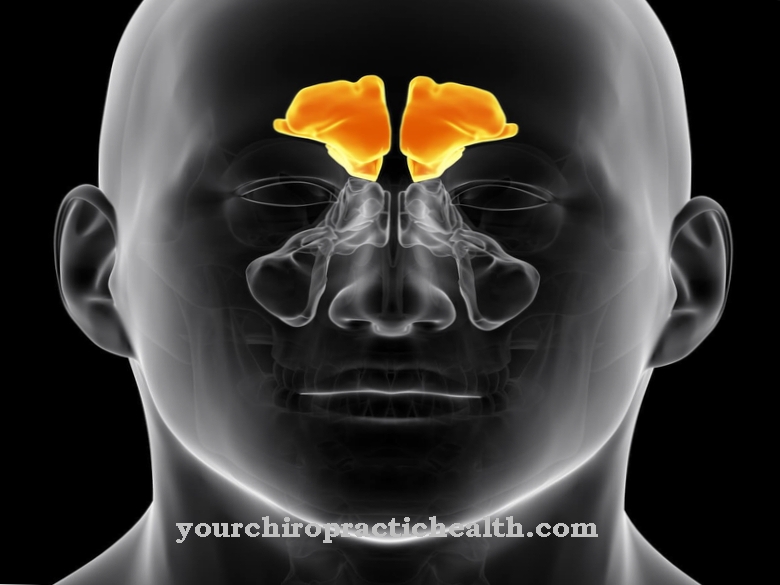
The frontal sinus is one of the paranasal sinuses. It lies under the forehead bone, at the level of the eyebrows or a little above. The frontal sinus is lined with mucous membrane and has the function of ventilating the respiratory system as well as warming and humidifying
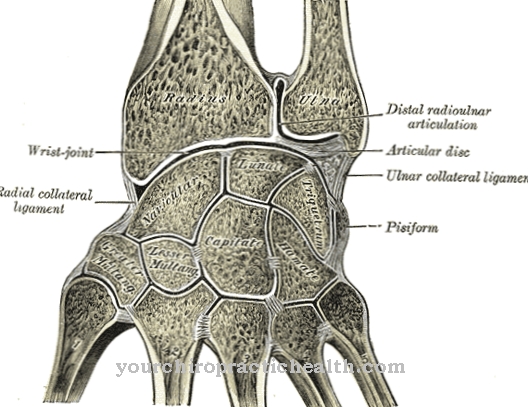
An articular disc is a joint disc. It consists of cartilage and connective tissue. There are several joint discs in different places in the human organism.
The male and female sex or germ cells capable of fertilization are called gametes.
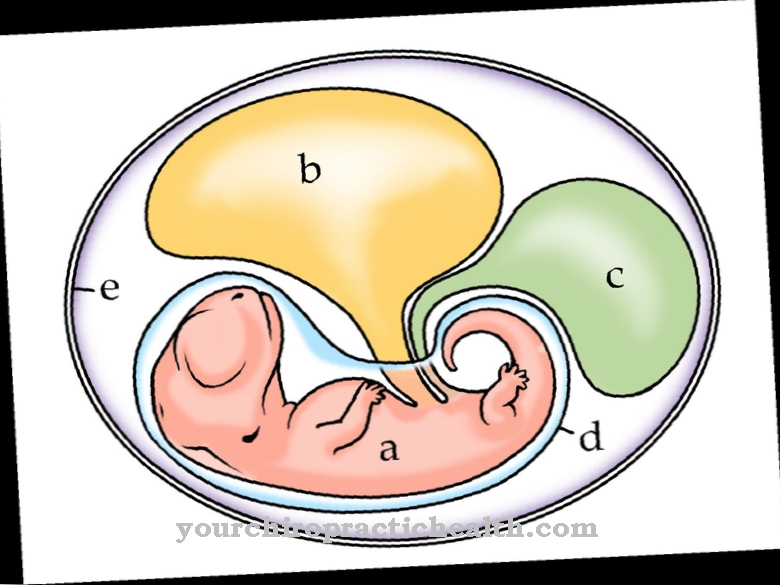
The yolk sac is mainly known as the yolk in bird eggs. In fact, a yolk sac accompanies the placenta in humans and takes on important functions in embryonic development.
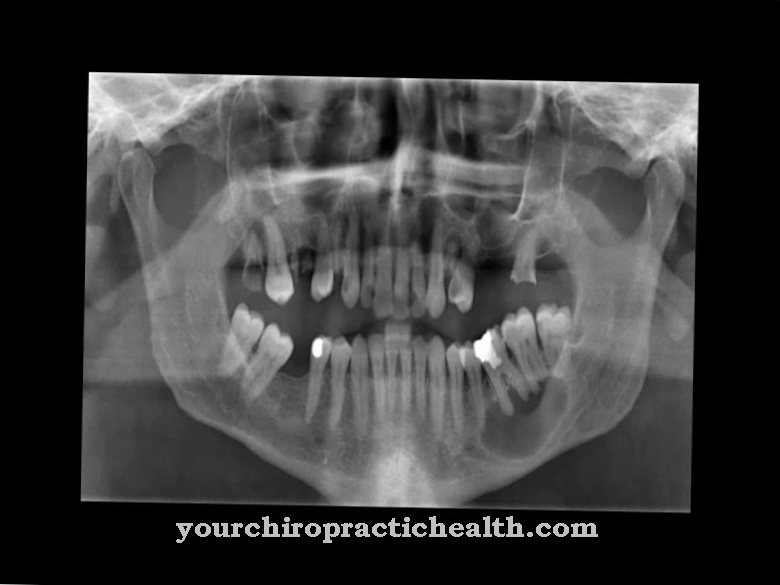
The maxillary sinus is part of the sinus system. The scientific name Sinus maxillaris comes from the Latin language. Medical terminology also uses the synonym maxillary sinus. The maxillary sinus exhibits paired, with
The swivel joint corresponds to a wheel or pivot joint. A pin rests in a groove in these joints and enables movements such as rotation there. The ulnar-spoke joint in particular is prone to injuries and illnesses.
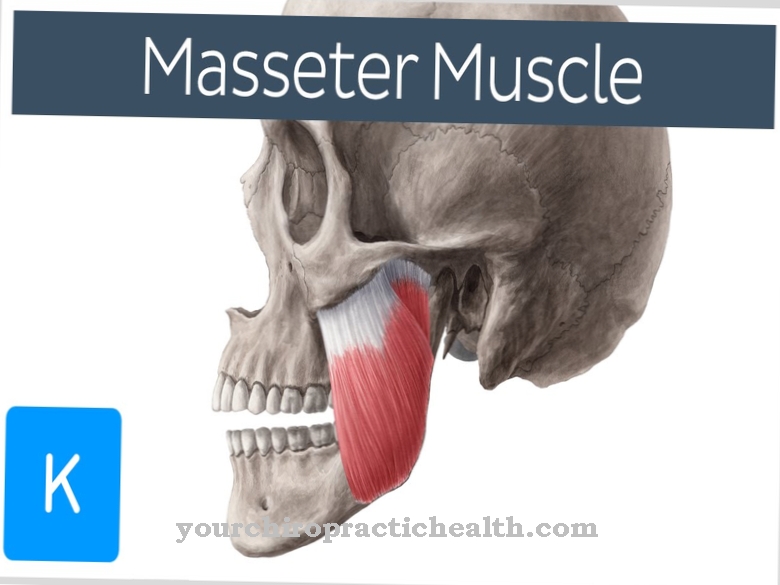
The masseter muscle is one of four muscles of mastication. The skeletal muscle is involved in the crushing of the food and in the salivation of the food pulp. The masticatory muscle can range from pathological tension to a lock in the jaw as well
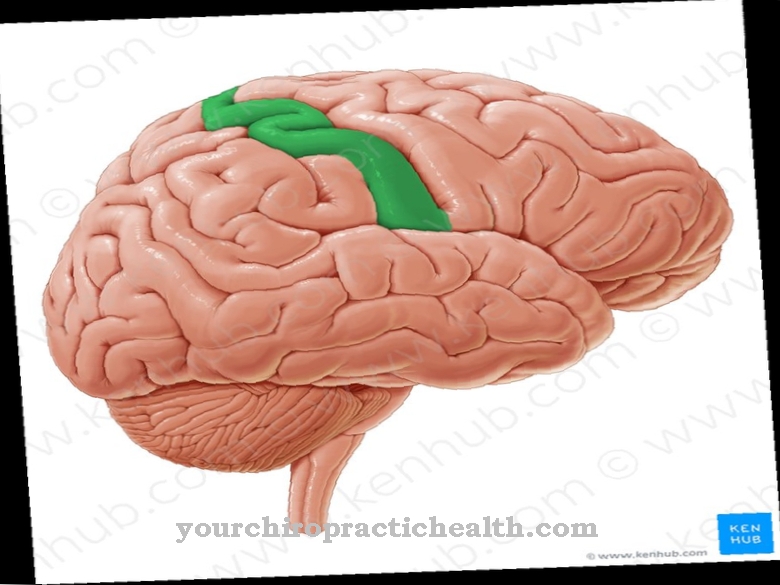
The postcentral gyrus is an area of the cerebrum. It lies in the parietal lobe and plays a role in somatosensory processing. Damage in the postcentral gyrus leads to astereognosia, which manifests itself in the form of disturbances in sensitivity to touch
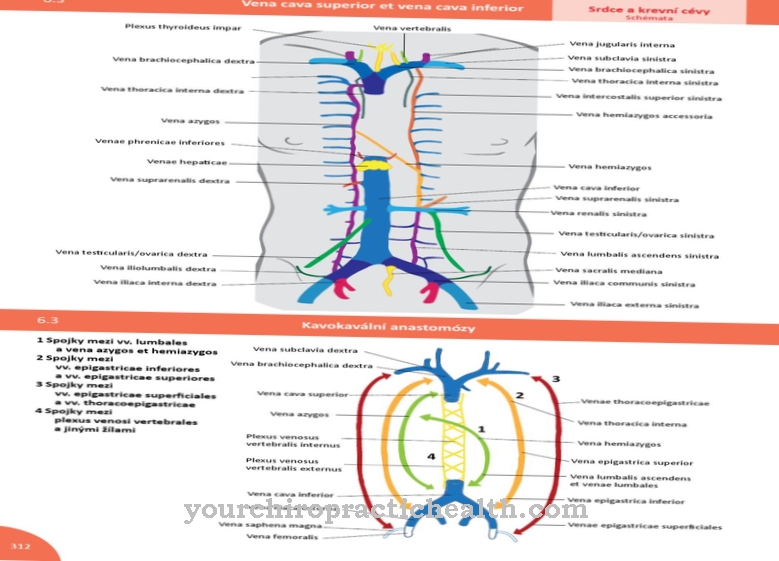
The ascending lumbar vein is an ascending blood vessel that runs alongside the spine. In the right half of the body it flows into the azygos vein, while it flows into the hemiazygos vein on the left. The ascending lumbar vein can develop during an embolism
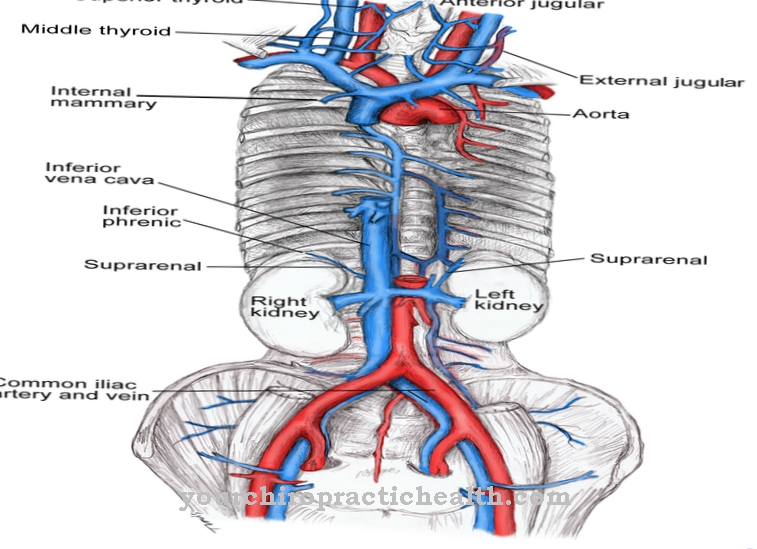
The inferior vena cava is also called the inferior vena cava. It flows into the right atrium of the heart together with the superior vena cava, the superior vena cava. The inferior vena cava transports oxygen-poor blood from the body periphery to the
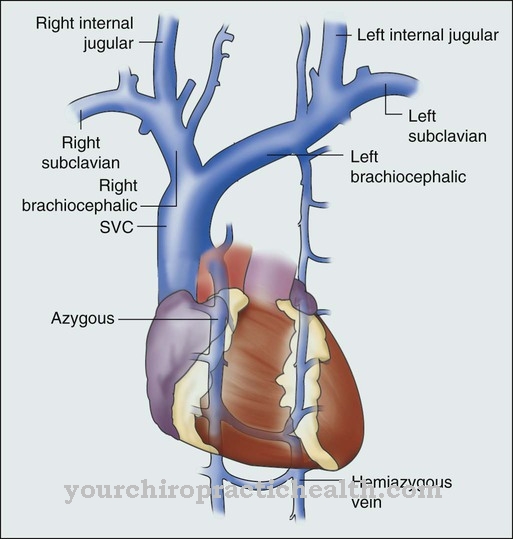
The superior vena cava is one of two vena cava in which the entire venous blood of the circulatory system is collected and centrally supplied to the right atrium via the common sinus venarum cavarum. The oxygen-poor accumulates in the superior vena cava
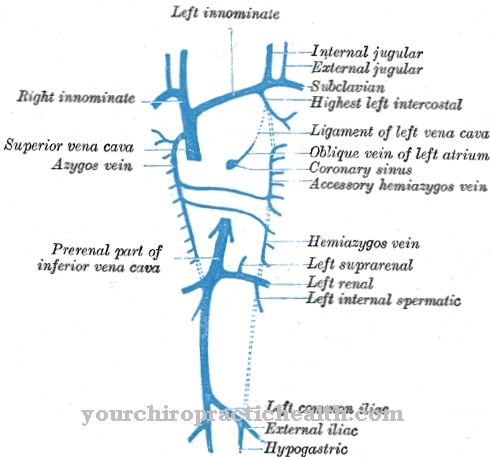
The hemiazygos vein is a continuation of one of the longest veins in the body. It runs cranially to the diaphragm. Its tasks include the transport of venous blood to the azygos vein.
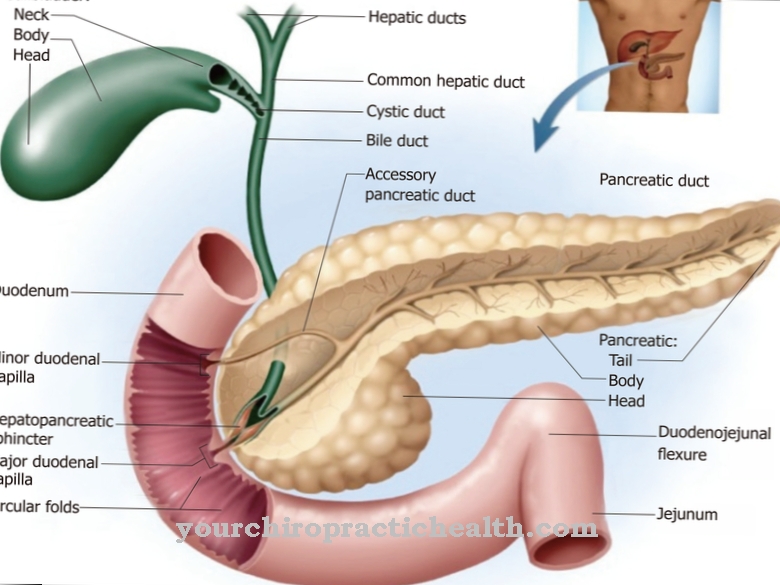
The pancreas produces digestive secretions that enter the uppermost section of the small intestine via the pancreatic duct. If the duct or the mouth is narrowed, for example by common gallstones, it comes to one

The azygos vein begins above the diaphragm and is a branch of the lumbar vein (ascending lumbar vein). It transports oxygen-poor blood to the heart. When there is a drainage disorder, the vena can azygos because of its connections to other veins
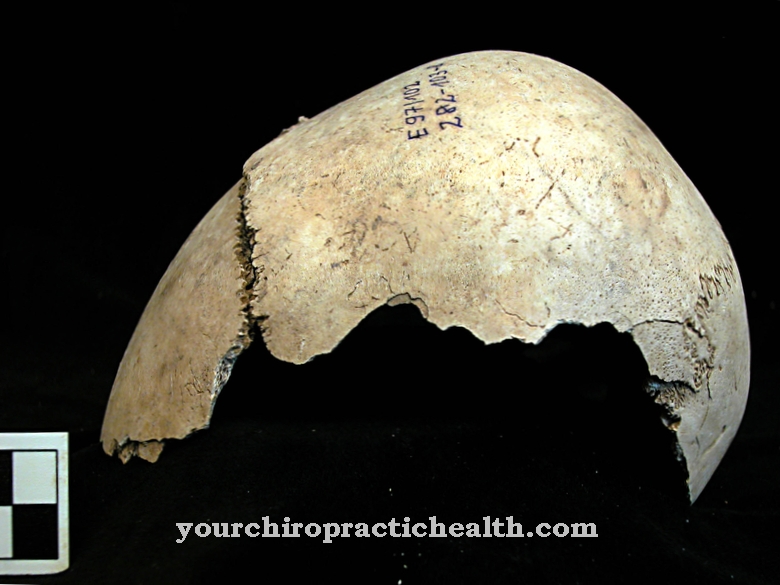
The skullcap, in Latin calvaria, is the bony roof of the skull and consists of flat, flattened bones (ossa plana). It is also part of the neurocranium, the skull, and at the same time the bone that encompasses the brain.
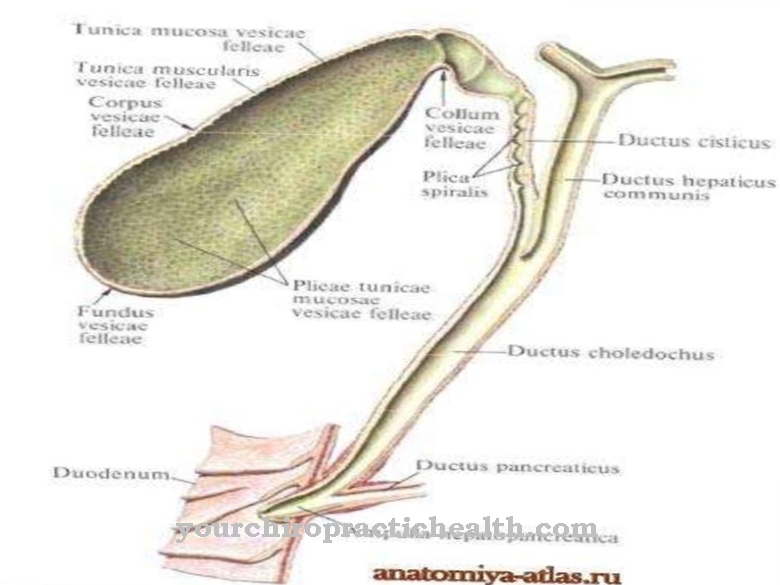
The bile is formed in our liver. This bile is required for the process of fat digestion and transported to the duodenum through various passages.
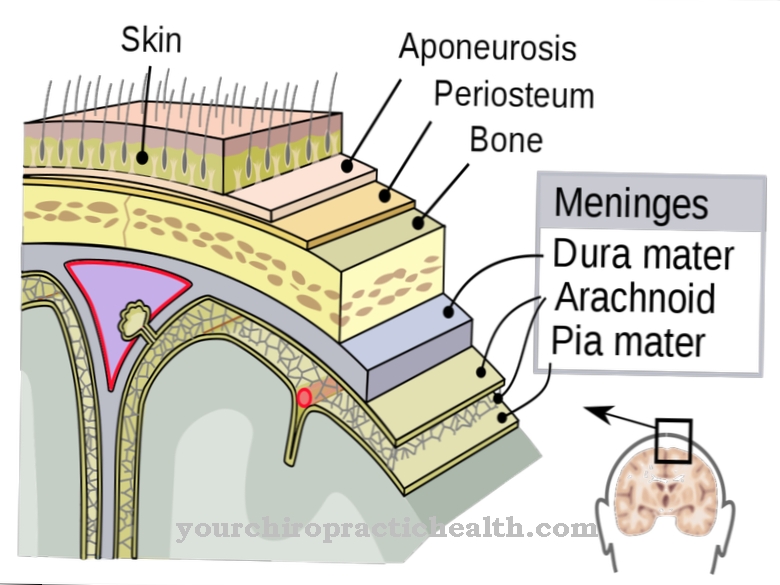
The dura mater (hard meninges) essentially serves to protect the brain from external influences. It is one of three meninges that surround the human brain.
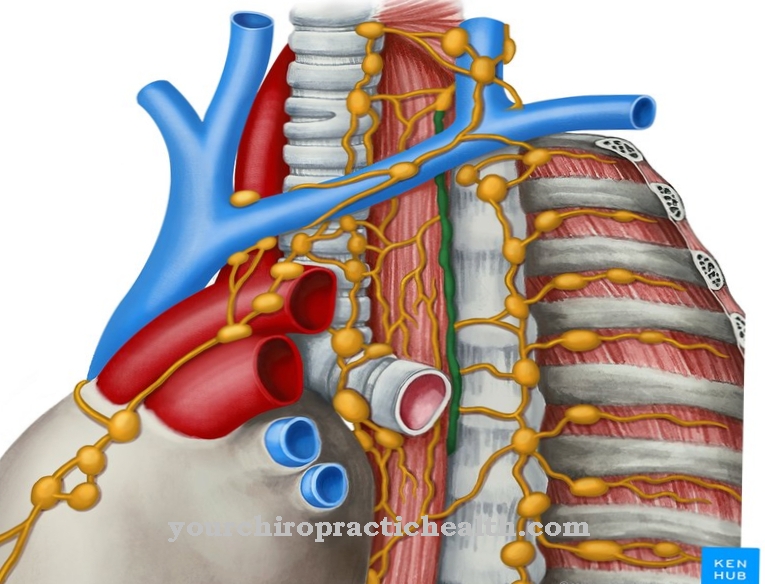
As part of the lymphatic system, the thoracic duct is responsible for the transport of nutrients and waste materials. It collects the lymph from the two lower and left upper quadrants of the body and guides it back into the venous system. Of the

.jpg)
Interesting Articles
Recommended
Most Popular