
Editor'S Choice
 Home remedies for flu
Hausmittel Milk production
Krperprozesse dandelion
Medicinal Plants Necrotizing fasciitis
Diseases blood circulation
Anatomy
Most Visited
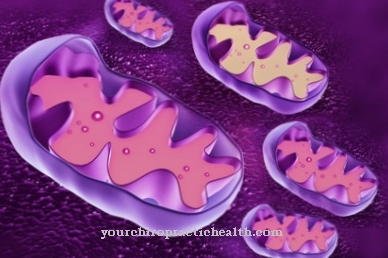 Fatty acid oxidation
Krperprozesse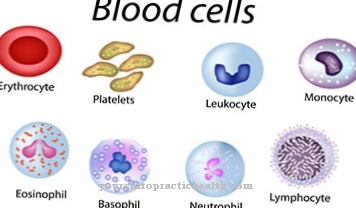 Thrombocytopenia
Diseases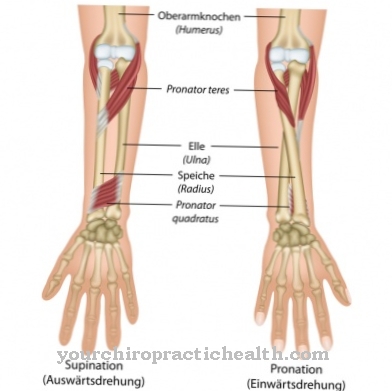 spoke
spoke
Anatomy Pale skin
Symptoms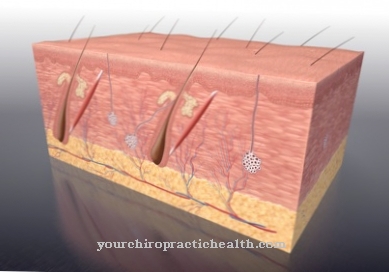 Holocrine secretion
Krperprozesse

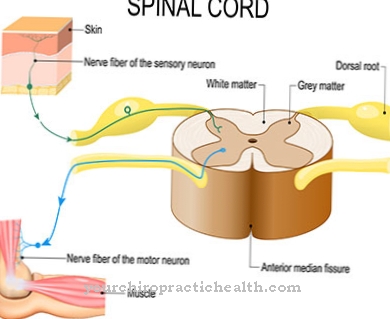

The vestibular gland is part of the female genitals and plays an important role in moisturizing and protecting the vulvar mucous membranes. Inflammatory diseases can cause problems and pain, especially during sexual intercourse
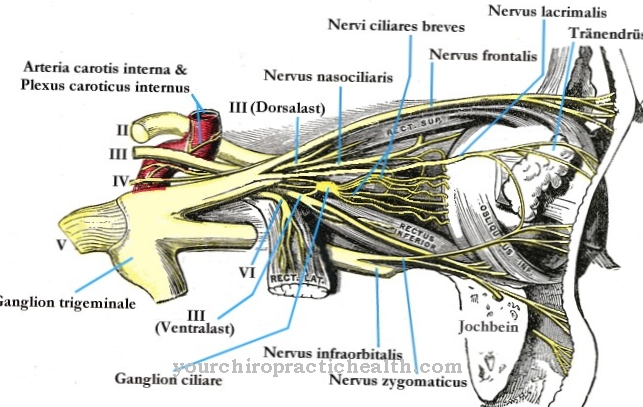
The ciliary ganglion is located on the optic nerve on the back of the eyeball. Parasympathetic fibers innervate the ciliary muscle, the pupil-constricting muscle sphincter pupillae and the inner eye muscles. Lesions in the ciliary ganglion can be
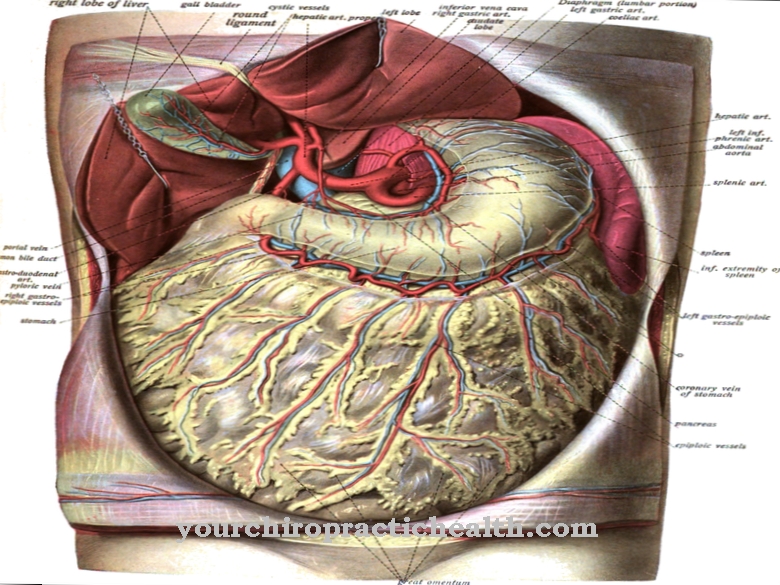
The greater omentum is a duplication of the peritoneum that is rich in fatty tissue. The structure plays an important role for the immune defense in the abdominal region.
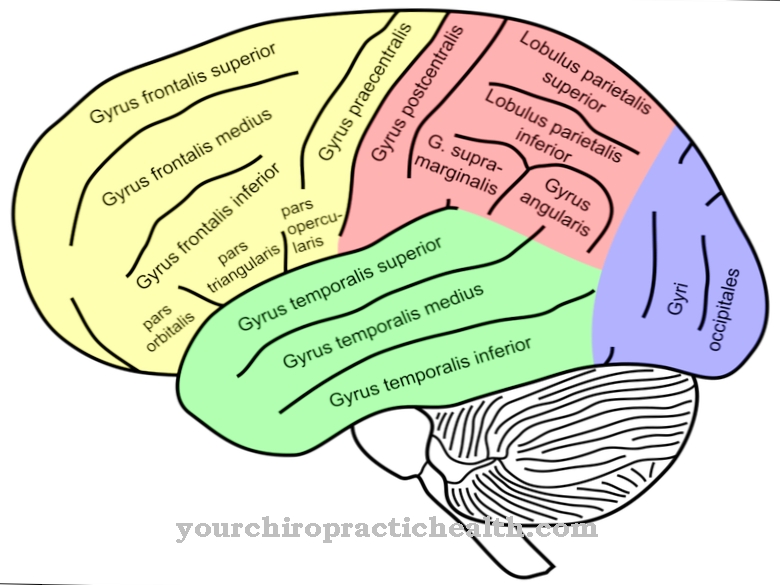
The precentral gyrus is part of the brain and is home to the primary motor cortex, which is networked with central motor neurons and the pyramidal tracts. The area of the brain is the center of movement control. When lesions occur often
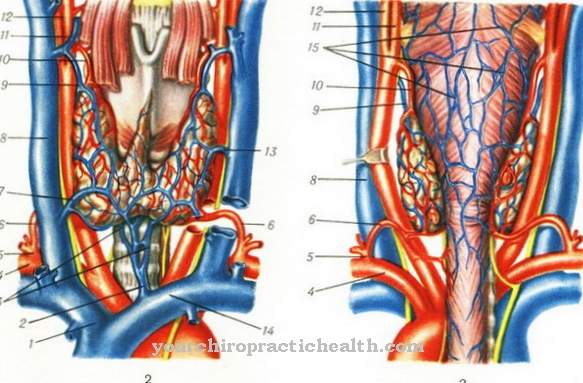
In the throat is the pharyngeal plexus, which is a plexus of nerves and mainly contains fibers from the ninth and tenth cranial nerves. It controls the muscles of the throat and palate as well as glands in the pharynx, which it also sensitively innervates
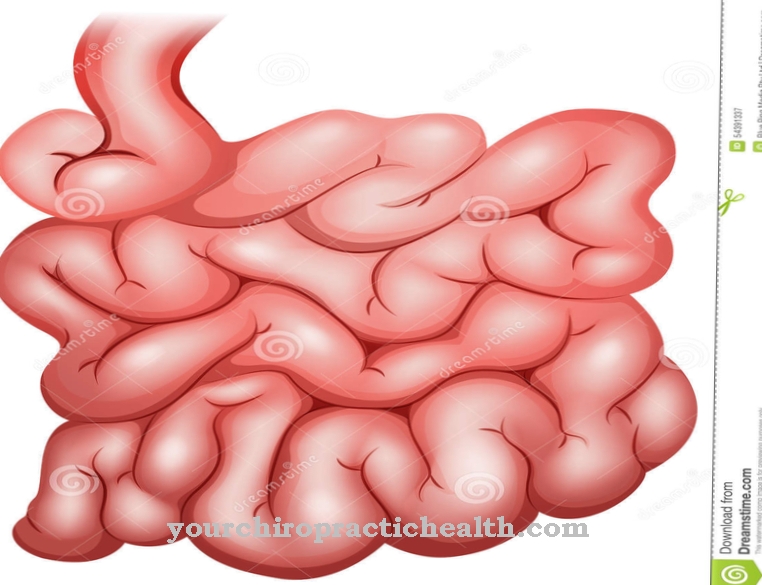
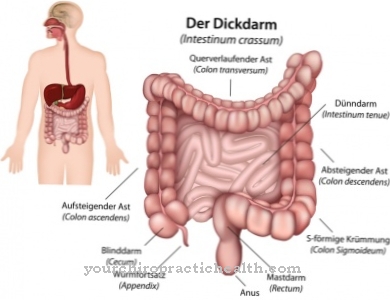
The small intestine is part of the human digestive tract and is located between the stomach and the large intestine. Most of the actual digestion takes place in it. Many food components are taken up there and can then be taken from the K
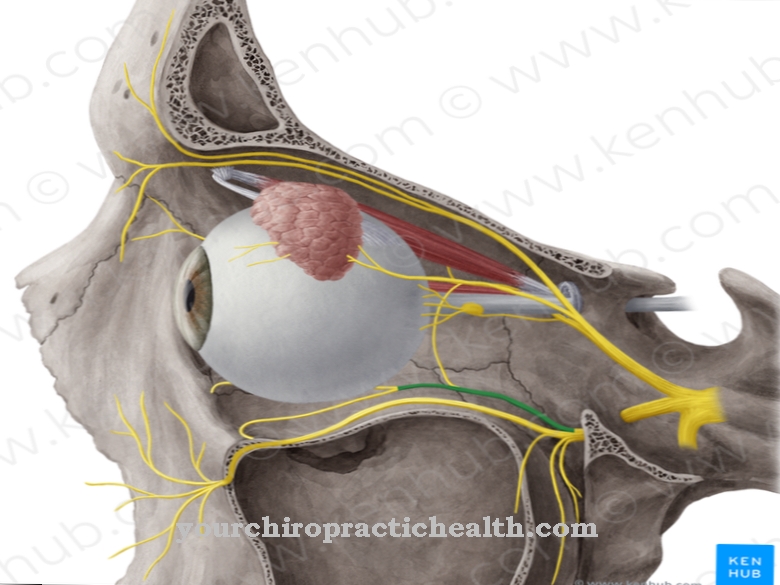
The zygomatic nerve supplies the skin in the upper face area. It belongs to the 5th cranial nerve, the trigeminal nerve. Its job is to innervate the skin on the cheeks.
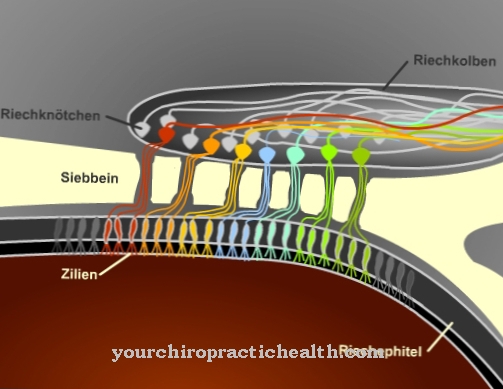
The olfactory bulb or olfactory bulb processes sensory stimuli from the nose and is part of the olfactory tract. It is located at the base of the frontal lobe of the brain and has special types of neurons with the mitral, brush and granule cells. Damage
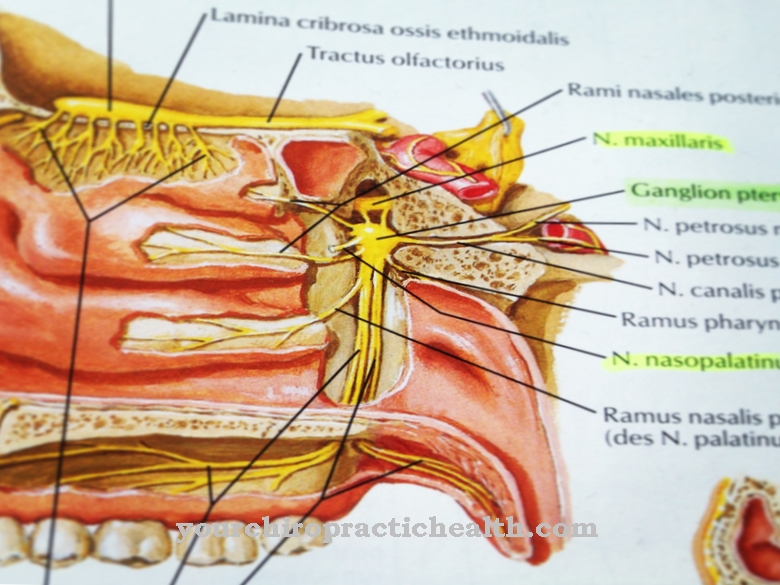
The pterygopalatine ganglion is a parasympathetic ganglion. It is located at the base of the skull on the pterygopalatine fossa.

The infraorbital nerve is a facial nerve. It supplies the skin between the eye and the upper lip and the upper teeth. It belongs to the 5th cranial nerve.
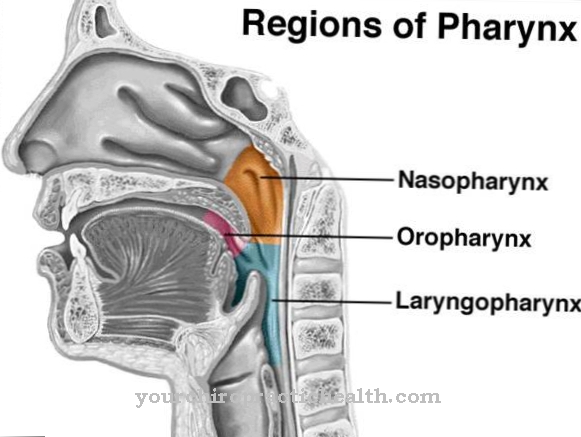
In medicine, the nasopharynx is the three-part nasopharynx, which is made up of the nasopharynx, larynx and pharynx. The musculature of the nasopharynx separates the food passages from the airways. One of the most common complaints

The lingual nerve, or the tongue nerve, innervates the front two-thirds of the tongue and includes both sensory and sensitive fibers. It belongs to the mandibular nerve, which is subordinate to the trigeminal nerve. Lesions can cause taste
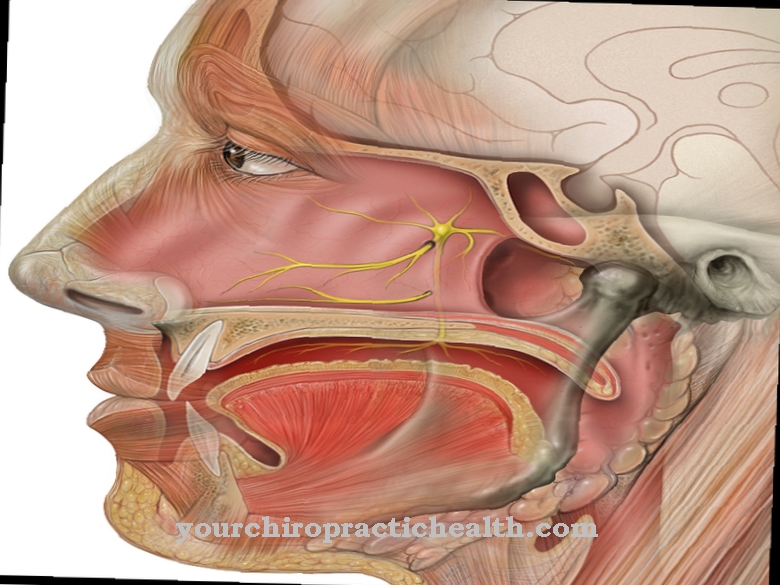
The petroosus major nerve is a nerve pathway in the face and forms a branch of the facial nerve. For the most part it carries parasympathetic nerve fibers, but also some sensory fibers. As part of the parasympathetic nervous system, the major petrosal nerve is defeated
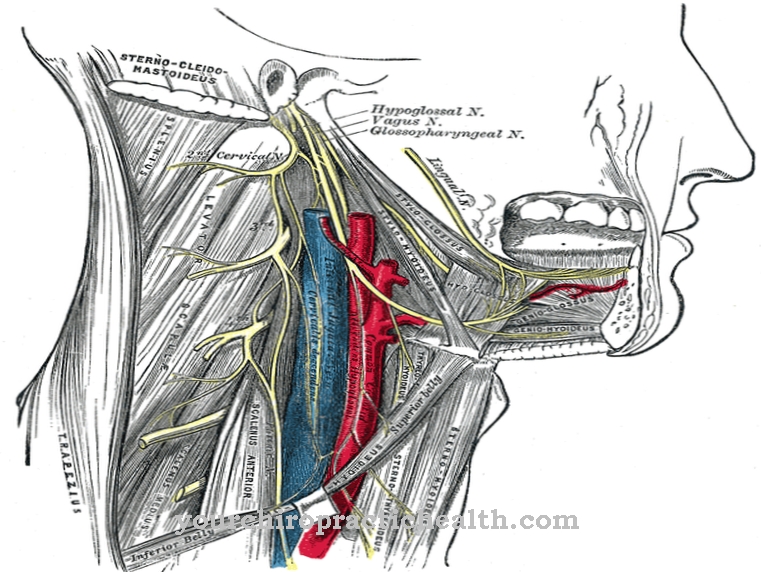
The accessory nerve is a motor nerve known as the eleventh cranial nerve. It has two different branches and innervates the sternocleidomastoid and trapezius muscles. Damage to the nerve can lead to a
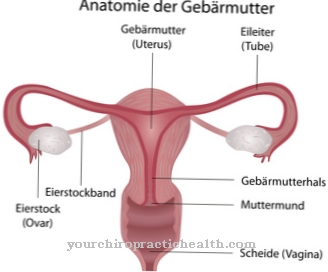
The fallopian tubes (or tuba uterina, rarely also oviduct) are among the invisible female secondary sexual characteristics in humans. The egg cell is fertilized in the fallopian tubes. The fallopian tubes allow the fertilized to be transported further
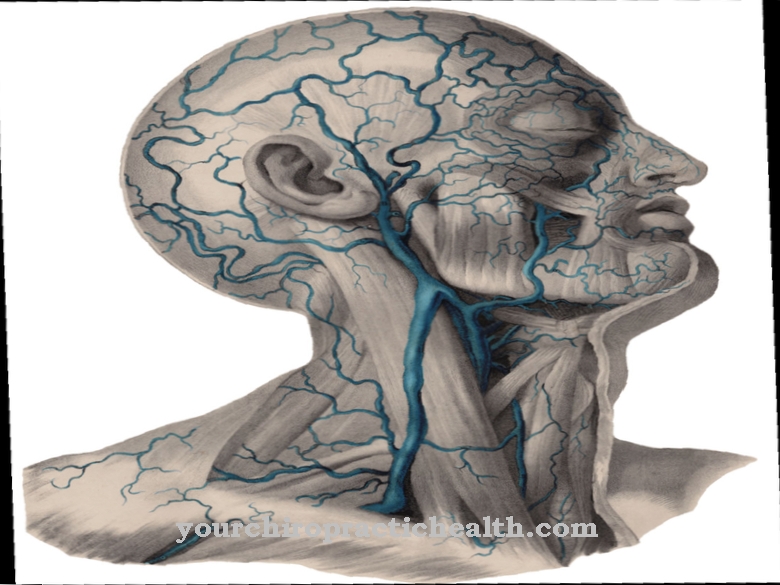
The external jugular vein is a vein in the human neck. It is also known as the external jugular vein. Their course is perpendicular along the neck.
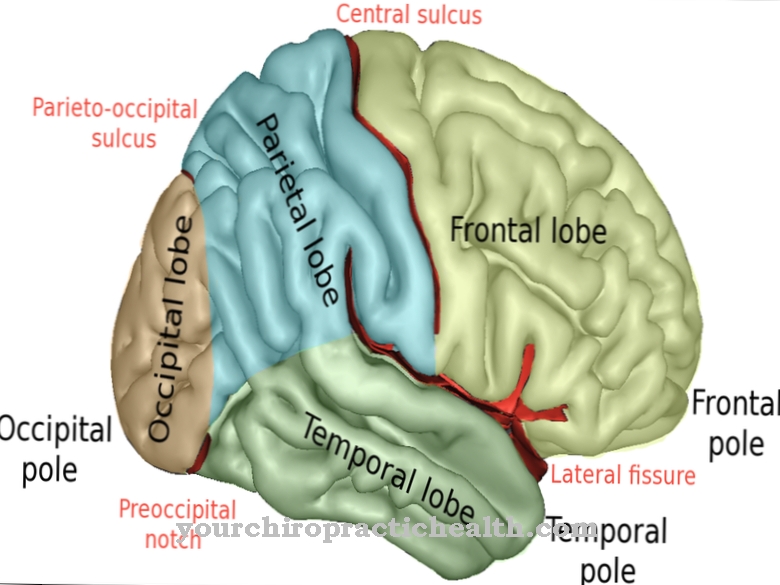
The central sulcus is an area in the cerebrum of the human brain. It is a furrow located between the precentral and postcentral gyrus. This separates the frontal from the parietal lobe.
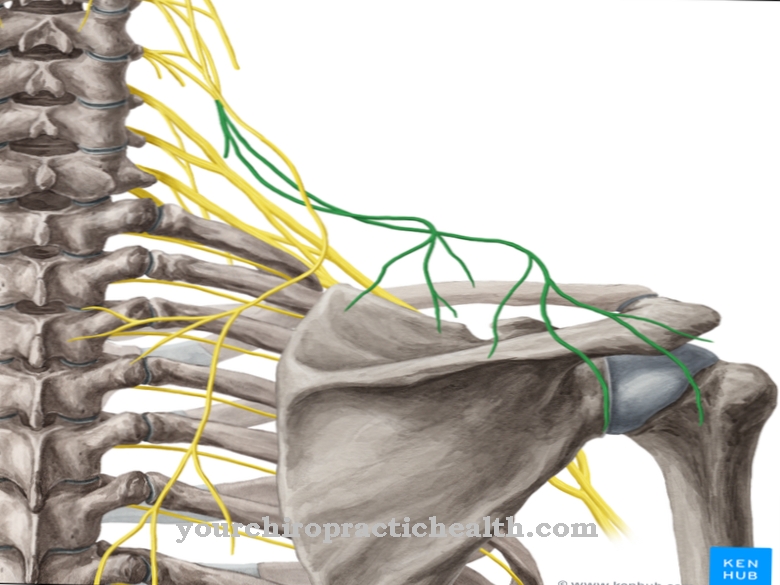
The supraclavicular nerve sits in the plexus of the neck and corresponds to several sensitive nerve branches. The nerve innervates different parts of the skin in the neck, chest and shoulder region. A failure of the supraclavicular nerves leads to sensory disorders
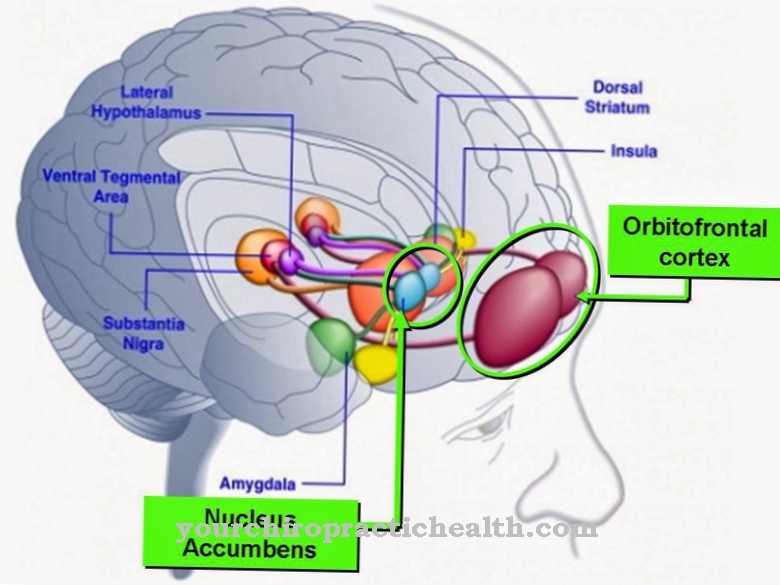
The nucleus accumbens is a relatively small part of the brain. It establishes a connection between the putamen and the caudate nucleus. Its main task is to regulate the reward system.
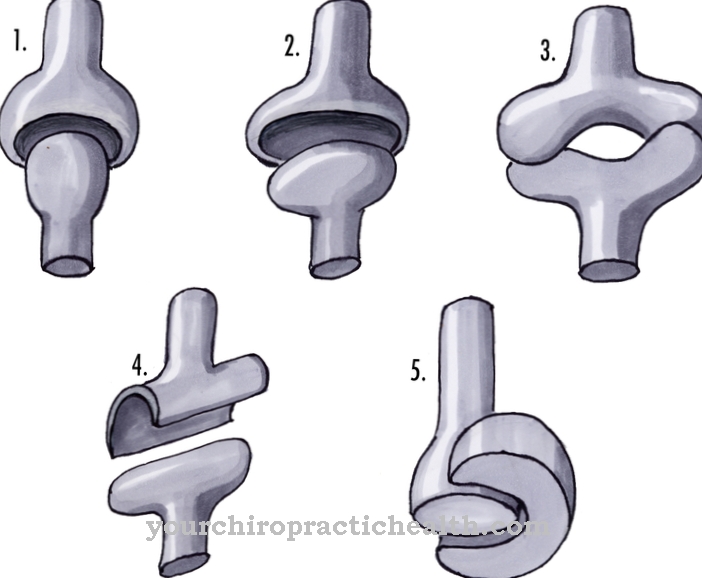
Egg joints are also known as ellipsoid joints and are one of several types of joints in the human body. A concave joint surface with an oval end engages in a larger joint socket in these joints. Among the most important joint diseases

.jpg)
Interesting Articles
Recommended
Most Popular